
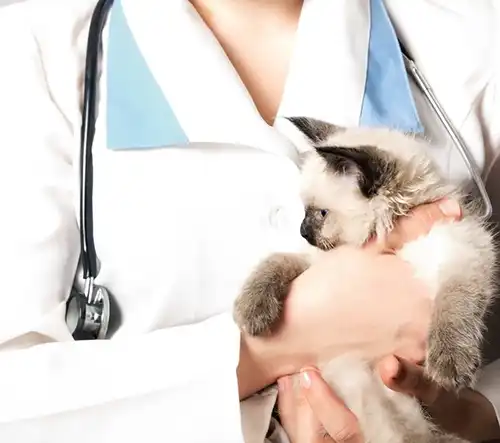

Has your furry friend been coughing or hacking lately? If so, you might be dealing with one of Fluffy’s most common and least adorable kitty quirks: hairballs. Here at All Cats Clinic, we know that hairballs can be a bit of a nuisance for both cats and their humans. Hairball Awareness Day is the purrfect time to talk about how to help keep your feline pal comfy and hairball-free. Whether Fluffy only coughs up a hairball now and then or seems to have them more often, our Fayetteville, AR vets are always happy to help with tips and advice.
Hairball Awareness Day is a great reminder for pet parents to stay on top of hairball prevention. From brushing Fluffy to making sure she’s eating the right food, there are lots of ways to help keep those pesky hairballs at bay. We love sharing tips on grooming, nutrition, and what to watch for if you think hairballs might be causing bigger problems. With a little know-how and some help from your vet, your kitty can enjoy a happier, healthier life.
Why Hairballs Occur in Cats
Hairballs happen when kitties groom themselves and end up swallowing loose fur. Usually, that hair just passes right through with no trouble. But some cats, especially those with long or thick coats, can get hairballs more often. Paying attention to your cat’s grooming habits, coat type, and any tummy sensitivities is the first step in keeping hairballs under control.
Even short-haired kitties, like Siamese cats, can get hairballs now and then, though it usually happens less often. Your feline pal’s environment matters, too. Stress, boredom, and/or inadequate nutrition can all lead to more grooming—and more hairballs. Learning a few simple prevention tricks can help keep your four-legged friend comfy and happy.
Grooming Tips for Cat Hairball Prevention
Brushing your kitty is one of the best ways to cut down on hairballs. Regular grooming helps get rid of loose fur before Fluffy can swallow it. If you have a long-haired cat, daily brushing is a good idea. Short-haired cats usually only need a quick brush a few times a week.
In addition to brushing, trimming excess hair around the neck and back areas can minimize hair ingestion. Bathing is generally not necessary unless recommended by your veterinarian, but keeping your cat’s coat healthy through proper nutrition also supports hairball control.
Nutrition and Diet Strategies
What your cat eats can make a big difference when it comes to hairballs. Some foods are made to help move hair through the digestive system, and high-fiber diets can really help. If you’re not sure what’s best for your kitty, our vets can suggest foods that support healthy digestion and help with hairball problems.
Don’t forget to keep fresh water out for your cat at all times. Staying hydrated helps move any swallowed hair along and keeps your furry buddy feeling good. Feeding smaller, more frequent meals instead of one big meal can also help with digestion and cut down on hairballs.
Observing Signs of Trouble
It’s normal for cats to cough up a hairball every now and then. But if your kitty is throwing up a lot, seems tired, or isn’t eating, it could be a sign of something more serious. Keep an eye on your feline pal, and if you notice anything unusual, give us a call at All Cats Clinic so we can help right away.
Pay attention to changes in your cat’sWatch for changes in your cat’s grooming habits, too. If Fluffy is grooming a lot more than usual or shedding a ton, it could mean she’s stressed or has a skin issue. Our vets can check things out and let you know if your kitty needs any extra care.
Boredom and stress can make cats groom too much, which means more hairballs. Giving your furry buddy plenty of things to do, like puzzle feeders, fun toys, and safe places to climb, can help keep her busy and cut down on over-grooming.
Spending time with your cat is important, too. Fluffy may enjoy some extra attention from you, or even from other pets if she’s comfortable with them. A calm, fun home helps keep your kitty happy and healthy, and can mean fewer hairballs, too.
You can read more about hairballs at the WebMD website here. Purina also has a piece on kitty hairballs, which is here.
FAQ: Hairball Prevention in Cats
How often should I groom my cat to prevent hairballs?
Long-haired cats benefit from daily brushing, while short-haired cats can be brushed a few times per week. Consistent grooming helps remove loose hair before it is swallowed.
What foods help reduce hairballs?
High-fiber diets designed for cats with hairballs can aid in digestion and hairball control. Your veterinarian can recommend options that best suit your feline companion.
Are hairballs a sign of illness?
Occasional hairballs are normal, but frequent vomiting, lethargy, or loss of appetite may indicate digestive issues or hairball blockages. Consult your veterinarian promptly.
Can enrichment help prevent hairballs?
Yes. Stress and boredom can increase grooming, leading to more hairballs. Interactive toys, climbing spaces, and playtime with humans help reduce over-grooming behaviors.
Visit Our Fayetteville, AR Veterinary Clinic for Hairball Care
Hairball Awareness Day reminds us that even common issues like hairballs deserve attention. At All Cats Clinic, our Fayetteville, AR veterinarians are ready to provide guidance on cat hairball prevention, nutrition, grooming, and enrichment strategies. If you’re searching for a vet near me in Fayetteville, AR, you can call us directly or schedule an appointment online. Our team is dedicated to helping your feline friend stay comfortable, healthy, and happy all year long.
This blog is for informational purposes only. Always consult your veterinarian for proper medical advice, diagnosis, or treatment plan for your feline companion, and follow their recommendations.
You can read more about our Fayetteville, AR cat hospital by visiting our main Service page here. Going out of town soon? You may also want to explore our boarding options here.

!Social Media Icons