
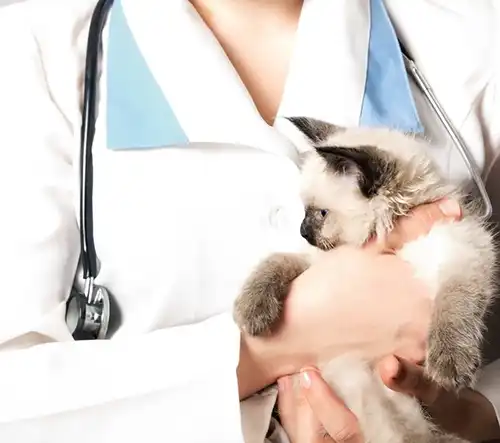


Thinking about adopting a cat? Congrats! Few things are more exciting than bringing home a new cat for the first time. Whether you’re adopting a playful kitten or giving an older feline companion a second chance, welcoming a cat into your family is a big moment. At All Cats Clinic, your Fayetteville, AR veterinary clinic, we love helping pet owners prepare for life with a new furry friend. Adopting a cat can be incredibly rewarding, but it also comes with responsibilities that many people do not expect right away.
A bit of planning goes a long way toward making your new kitty feel right at home. From setting up cozy napping spots to learning the ins and outs of feline behavior, nutrition, and vet care, these tips will help your whiskered pal settle in smoothly. Whether you’re bringing home a seasoned lap-warmer or a tiny ball of chaos, knowing what your cat needs from day one helps you build a strong, happy bond.
Choosing the Right Cat for Your Lifestyle
One of the biggest keys to a happy adoption is finding a cat whose personality and energy level match your own lifestyle. While all cats share a few classic feline quirks, every kitty is truly one of a kind.
Some cats are social butterflies who want to supervise your every move (especially from the bathroom sink), while others are more like introverted roommates who appreciate their own space. Before you adopt, take a moment to think honestly about:
- Your daily schedule
- Your household activity level
- Other pets in the home
- Children in the family
- Your experience with cats
- Your living space
A high-energy kitten may not be ideal if you work long hours away from home. Likewise, a shy senior cat may struggle in a loud, busy household. Matching your lifestyle with the right feline personality can make life easier for everyone involved.
At All Cats Clinic, our Fayetteville, AR veterinarians often encourage families to spend time interacting with cats before making a final decision. Sometimes the cat chooses you before you choose them.
Should You Adopt a Kitten or an Adult Cat?
Many people automatically gravitate toward kittens because they are tiny, playful, and adorable. Honestly, kittens could probably convince humanity to do almost anything. However, adopting an adult cat also comes with many benefits.
Benefits of Kittens
Kittens are curious, energetic, and endlessly entertaining. Watching your tiny furball discover the world (and maybe your curtains) is a joy. Plus, kittens usually adapt quickly to new places and routines.
However, kittens require:
- Frequent supervision
- Socialization
- Training
- Multiple veterinary visits
- Lots of patience
Your pint-sized feline overlord might scale your curtains, zoom through the house at midnight, and vanish into hiding spots you didn’t even know existed.
Benefits of Adopting an Adult Cat
Adopting an adult cat can actually make life easier for many families. Grown-up kitties usually come with established personalities, good litterbox manners, and a more relaxed approach to life.
Benefits of adopting an adult cat include:
- More predictable temperament
- Lower activity level
- Easier transition periods
- Existing social skills
- Less destructive behavior
Adult cats are often overlooked in shelters, but they make fantastic companions. Many older kitties form deep bonds with their new families and settle into routines faster than you might expect.
Preparing Your Home for a Cat
Getting your home ready before your new cat arrives can make a world of difference. Cats are naturally cautious in new places, so setting up a calm, welcoming space helps your furry pal feel safe right from the start.
Before bringing your cat home, set up:
- Food and water bowls
- A litterbox
- Scratching posts
- Comfortable bedding
- Toys
- Hiding spots
- A sturdy cat carrier
Cats love having quiet spots where they can retreat and watch the world go by. A spare bedroom or a cozy, low-traffic corner can be the perfect haven while your kitty settles in.
Cat-Proofing Your Home
Cats are natural explorers with Olympic-level climbing skills and, let’s be honest, some questionable decision-making. Your new kitty may try to investigate every shelf, cabinet, and dangling cord they can find.
When preparing your home for a cat, remember to:
- Secure toxic plants
- Store medications safely
- Cover exposed electrical cords
- Keep string-like objects out of reach
- Remove small choking hazards
Lilies are especially dangerous for cats. Even a nibble can cause serious kidney trouble. If you’re not sure whether a plant is safe, just ask your vet. Better safe than sorry (and your cat will thank you).
Helping Your New Cat Adjust
The first few days in a new home can be a lot for your cat to take in. New smells, strange sounds, and unfamiliar routines can make even the bravest kitty a little nervous.
Some cats hide at first, while others explore immediately. Both reactions are normal.
Give Your Cat Space
Your new furry friend might need a little time to decompress. Try not to rush things or force snuggles right away. Let your cat set the pace.
Instead:
- Let your cat approach you
- Speak softly
- Maintain calm routines
- Avoid loud noises
- Limit visitors initially
Building trust with your new cat takes patience. Some kitties make themselves at home in no time, while others need a few weeks (and maybe a few treats) to fully relax.
Introduce One Room at a Time
We often recommend starting your cat off in one quiet room before letting them explore the whole house. This helps prevent sensory overload and gives your kitty a safe home base to retreat to when things feel overwhelming.
Once your feline companion feels comfortable eating, using the litterbox, and interacting with you, you can gradually expand access to other areas.
Understanding Feline Behavior
One of the best tips for new cat parents is to learn how cats communicate. Felines are masters of body language, but their signals can be pretty subtle if you’re not used to them.
Signs Your Cat Feels Comfortable
A relaxed cat may:
- Purr
- Knead blankets
- Blink slowly
- Stretch out openly
- Rub against you
- Hold their tail upright
Slow blinking is a classic sign of trust in the cat world. Many cat parents call it a ‘kitty kiss’—so feel free to blink back!
Signs Your Cat Feels Stressed
A stressed cat may:
- Hide frequently
- Flatten their ears
- Flick their tail rapidly
- Avoid eating
- Hiss or swat
- Overgroom
A little stress is normal during the adjustment period. With patience and a steady routine, most cats start to feel more secure as the days go by.
The Importance of Veterinary Care
One of the best things you can do for your new furry friend is to schedule a veterinary visit soon after adoption. At All Cats Clinic, we love helping new cat parents set their kitties up for a lifetime of good health.
Your veterinarian may discuss:
- Vaccinations
- Parasite prevention
- Nutrition
- Dental care
- Microchipping
- Spaying or neutering
- Behavioral concerns
Even if your new cat looks perfectly healthy, it’s important to schedule a wellness exam. Some health issues can be sneaky and aren’t always obvious at home.
Vaccines and Preventive Care
Vaccinations help protect your feline friend from contagious illnesses. Your veterinarian will recommend vaccines based on your cat’s:
- Age
- Lifestyle
- Medical history
- Indoor or outdoor exposure
Routine wellness visits also allow your veterinarian to monitor weight, nutrition, and behavior over time.
Feeding Your New Cat
Good nutrition is key to keeping your cat healthy and happy. Cats are obligate carnivores, meaning they need nutrients found primarily in animal protein. No vegetarian or vegan diets for these guys: that can be extremely dangerous for them.
When you bring your new cat home, try to stick with the same food they were eating before. Sudden diet changes can upset their tummy. If you need to switch foods, do it gradually.
Tips for Healthy Feeding Habits
Healthy feeding habits include:
- Providing fresh water daily
- Feeding measured portions
- Avoiding excessive treats
- Monitoring appetite changes
- Keeping feeding routines consistent
Cats are creatures of habit, and they’ll let you know if dinner is late—even if it’s only by twelve seconds. Your feline overlord has a built-in clock (and isn’t afraid to use it).
Litterbox Basics Every Cat Owner Should Know
The way you set up your cat’s litterbox can make a big difference in their comfort and behavior. Most litterbox problems are about the environment, not stubbornness. cats just like a clean bathroom as much as we do.
General Litterbox Guidelines
Most veterinarians recommend:
- One litterbox per cat, plus one extra
- Scooping daily
- Quiet litterbox locations
- Unscented litter
- Large, accessible boxes
Cats appreciate a clean bathroom just as much as we do. If the litterbox isn’t up to their standards, you might find a little ‘protest’ outside the box.
Watch for Changes
If your cat suddenly avoids the litterbox, contact your veterinarian. Litterbox problems can sometimes signal:
- Urinary tract disease
- Stress
- Arthritis
- Digestive issues
- Kidney disease
At All Cats Clinic, we’re always here to help you get to the bottom of any litterbox mysteries. Sometimes there’s a medical reason behind those accidents.
Building a Strong Bond With Your Cat
Bonding with your new cat takes a little time and patience. Some kitties are instant snugglers, while others prefer to take things slow and steady.
Ways to Strengthen Your Bond
Helpful bonding activities include:
- Interactive play
- Gentle brushing
- Calm talking
- Treat-based training
- Respecting boundaries
Playtime is especially important for kittens and young cats. Interactive toys give your kitty a chance to exercise, burn off energy, and keep their clever minds busy.
Fun fact: Playtime is your cat’s way of practicing their hunting skills. That feather wand might look silly to us, but to your kitty, it’s serious business!
Common Mistakes New Cat Owners Make
If you’re new to cats, you might be surprised at how different they are from dogs. Cats love their routines, personal space, and being in charge of their own little kingdoms.
Common mistakes include:
- Forcing interaction too quickly
- Changing food abruptly
- Ignoring subtle illness signs
- Skipping veterinary visits
- Providing too little enrichment
Cats are experts at hiding when they’re not feeling well. Even small changes in behavior can be the first clue that something’s up.
Petfinder has some good advice on adopting kitties. Spruce Pets also has an article on adopting shelter cats.
FAQs About Adopting a Cat
What should you do before adopting a cat?
Before you bring your new cat home, get their food bowls, litterbox, bedding, toys, and a few cozy hiding spots ready. And don’t forget to schedule that first vet visit. It’s a great way to start your kitty off on the right paw.
Are adult cats easier than kittens?
Often, yes! Adult cats usually come with fewer surprises during training and a more relaxed vibe than kittens, which makes them a great fit for many families.
How long does it take a cat to adjust to a new home?
Some cats make themselves at home in just a few days, while others need a few weeks to really settle in. Patience, quiet routines, and cozy, safe spaces go a long way toward helping your new friend feel comfortable. How often should a new cat see the veterinarian?
Your new cat should see the vet soon after adoption. Regular checkups help keep tabs on their health, vaccines, nutrition, and behavior as they settle in.
What is the best way to bond with a new cat?
Respect your cat’s boundaries, provide playtime, maintain routines, and allow your kitty to approach you at their own pace. Trust builds gradually over time.
Visit Our Fayetteville, AR Veterinary Clinic for New Cat Care
Adopting a cat is the beginning of a long and rewarding relationship. Whether you are bringing home a kitten or adopting an adult cat, having the right support can make the transition smoother for both you and your furry friend. At All Cats Clinic, our compassionate team proudly helps cats throughout Fayetteville and Northwest Arkansas live healthier, happier lives.
Are you looking online for a “vet near me” or a trusted Fayetteville, AR, veterinary clinic for your new feline companion? Our experienced veterinarians can help with wellness care, nutrition guidance, behavioral questions, and all the first-time cat-owner tips you need. Call All Cats Clinic today to schedule your new cat’s first appointment.
This blog is intended for informational purposes only. Always consult with your veterinarian for the right diagnosis, treatment plan, and medical advice for your pet and follow their professional recommendations.
To find out more about our animal clinic, stop by our Services page for an overview of our offerings. We work exclusively with kitties in the Fayetteville and Northwest Arkansas area. Our animal hospital offers Wellness and vaccinations, Kitten Kamp, and much more! We also offer the Purevax Vaccine. Contact us today!


!Social Media Icons