
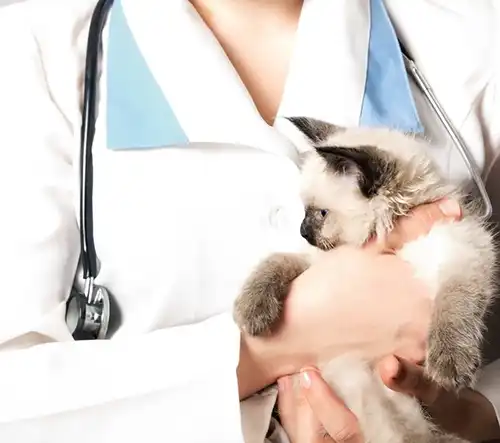

Feeding your cat may seem simple at first glance, but feline nutrition is far more complex than just filling a bowl twice a day and hoping your kitty approves of the menu selection. Cats have unique dietary needs that directly affect everything from energy levels and digestion to weight, skin health, and long-term wellness. At All Cats Clinic, your Northwest Arkansas veterinary clinic, we regularly help cat owners understand how proper nutrition supports healthier, happier lives for their feline companions.
Many cats are masters at pretending they have never eaten before in their entire lives, especially around breakfast time. However, overfeeding, inconsistent diets, and poor nutritional balance can quietly contribute to health problems over time. Understanding basic cat nutrition tips can help you make informed decisions that support your cat through every stage of life. In this guide, you will learn how to build a healthy cat diet, improve feline weight management, and provide the best nutrition for indoor cats while supporting long-term feline wellness.
Why Nutrition Matters for Cats
Nutrition affects nearly every system in a cat’s body. The food your feline companion eats provides energy, supports organ function, maintains muscle mass, and helps regulate body weight. Poor nutrition can contribute to obesity, digestive upset, skin problems, and reduced quality of life over time.
At All Cats Clinic, our Northwest Arkansas veterinarians often explain that many common health concerns can be influenced by diet and feeding habits. While nutrition alone cannot prevent every illness, balanced feeding routines and healthy body condition can support better overall wellness.
Cats also process nutrients differently than humans and dogs. Their bodies are specifically designed to rely heavily on nutrients derived from animal protein, making feline nutrition unique compared to many other household pets.
Cats Are Obligate Carnivores
One of the most important feline nutrition facts owners should understand is that cats are obligate carnivores. This means their bodies are biologically designed to depend on nutrients found primarily in animal tissues.
Cats require nutrients such as taurine and specific amino acids that naturally occur in animal protein. These nutrients support important functions involving the heart, muscles, vision, and metabolism.
Unlike people or dogs, cats are not built to thrive on heavily plant-based diets. Their nutritional needs are centered around protein-rich foods designed specifically for feline metabolism.
Your furry little hunter may occasionally chew on a plant or investigate your salad out of curiosity, but their body is still designed around a carnivorous diet.
Building a Healthy Cat Diet
A healthy cat diet supports more than just maintaining weight. Proper nutrition also contributes to healthy skin, a glossy coat, stronger muscles, digestive balance, and immune system support.
Nutritional needs vary based on:
- Age
- Activity level
- Health conditions
- Lifestyle
- Weight
Kittens, adults, and senior cats all have different dietary requirements, which is why life-stage nutrition matters so much.
Nutrition for Kittens
Kittens grow rapidly during their first year of life and require nutrient-dense food to support healthy development. Proper kitten nutrition helps support brain development, bone growth, and muscle formation.
Young kittens often need more frequent meals because of their high energy needs. At All Cats Clinic, we commonly guide owners through feeding schedules and nutritional planning during kittenhood.
Adult Cat Nutrition
Adult cats benefit from balanced diets that help maintain healthy body condition and stable energy levels. Portion control becomes especially important during adulthood because indoor cats are often less active than many owners realize.
Senior Cat Nutrition
Senior cats may require dietary adjustments as they age. Some older cats develop changes involving kidney function, digestion, mobility, or muscle maintenance that affect nutritional needs.
Senior cats may also become more selective about food texture and taste. Your feline overlord may suddenly reject a food they loved for years simply because they woke up and decided today was the day for dramatic change.
Portion Control Is Extremely Important
Overfeeding is one of the most common nutritional problems affecting cats today. Many owners unintentionally offer portions larger than their cats actually need.
Because weight gain often happens gradually, it may be difficult to notice until a cat becomes significantly overweight.
Why Obesity Matters
Excess weight places additional stress on a cat’s body and may contribute to:
- Arthritis
- Diabetes
- Reduced mobility
- Lower activity levels
- Grooming difficulties
At All Cats Clinic, our Northwest Arkansas veterinary clinic frequently discusses feline weight management because obesity remains one of the most common preventable feline health concerns.
Indoor Cats Are Especially Vulnerable
The best nutrition for indoor cats often focuses heavily on portion control and calorie balance. Indoor cats generally burn fewer calories because they spend more time resting and less time roaming or hunting.
Many indoor cats live wonderfully comfortable lives that include frequent naps, window supervision duties, and highly dramatic demands for snacks.
Unfortunately, lower activity levels can make weight gain much easier if portion sizes are not monitored carefully.
Understanding Cat Feeding Habits
Cats naturally prefer multiple small meals throughout the day rather than one large feeding session. Some cats adapt well to scheduled meals, while others do better with portion-controlled feeding devices or puzzle feeders.
Feeding routines should remain consistent whenever possible because cats thrive on predictability.
Sudden dietary changes can upset digestion and contribute to vomiting or diarrhea. When switching foods, gradual transitions over several days usually work best.
Wet Food vs. Dry Food
One of the most common questions owners ask involves whether wet food or dry food is better for cats.
The Importance of Hydration
Cats naturally have a lower thirst drive than many animals. Wet food contains additional moisture, which may help support hydration and urinary health.
Some cats benefit from mixed feeding routines that include both wet and dry food depending on lifestyle, preferences, and medical needs.
Dry Food Can Still Be Appropriate
Dry food can work well for many cats when properly portioned and nutritionally balanced. However, dry food tends to be calorie-dense, which means overfeeding can happen easily.
At All Cats Clinic, our Northwest Arkansas cat vet team helps owners evaluate diets based on each individual cat’s age, activity level, body condition, and health history.
Healthy Hydration Habits
Hydration plays an important role in feline wellness, especially for urinary and kidney health.
Many cats prefer moving water and may drink more from fountains than traditional bowls. Some owners also notice improved water intake when placing multiple bowls throughout the home.
Cats can be surprisingly particular about water placement. Some refuse to drink near food bowls because instinctively they prefer separating food and water sources.
Supporting hydration becomes especially important as cats age.
Feline Weight Management Tips
Healthy feline weight management focuses on consistency rather than crash dieting or severe restriction.
Encourage Daily Activity
Cats benefit from regular interactive play that supports movement and mental stimulation. Even short daily play sessions can improve activity levels.
Interactive toys, climbing structures, and puzzle feeders may help encourage healthier routines for indoor cats.
Monitor Body Condition
Weight alone does not always tell the full story. Veterinary exams help evaluate body condition, muscle mass, and overall health more accurately.
Signs your cat may be overweight can include difficulty feeling the ribs, reduced grooming ability, and decreased activity.
Avoid Excessive Treats
Treats can add calories quickly, especially for less active indoor cats. Many cats respond just as positively to attention, brushing, or playtime as they do to food rewards.
Your furry friend may strongly disagree with this concept and continue lobbying aggressively for additional snacks anyway.
Common Feeding Mistakes Owners Make
Even very caring owners sometimes develop habits that unintentionally contribute to nutritional problems.
One common issue is free-feeding dry food without monitoring intake. Another is using oversized portions because the cat appears hungry frequently. Cats are opportunistic eaters and often request food even when calorie needs have already been met.
Ignoring gradual weight changes is another common problem. Slow weight gain or loss may signal nutritional imbalance or underlying medical concerns that deserve veterinary attention.
At All Cats Clinic, our Northwest Arkansas veterinarians encourage regular wellness exams to help monitor body condition and nutritional health over time.
Nutrition and Emotional Wellness
Nutrition affects emotional wellness as well as physical health. Hungry, stressed, or under-stimulated cats may develop behavioral issues related to boredom or frustration.
Interactive feeding methods such as puzzle feeders can provide mental enrichment while slowing down eating behavior. This may help reduce boredom and improve emotional stimulation for indoor cats.
Cats enjoy activities that mimic natural hunting behavior, even if the “hunt” involves chasing kibble across the living room floor instead of stalking prey outdoors.
Special Diets for Medical Conditions
Some cats require specialized nutrition based on medical needs. Conditions that may benefit from dietary management include kidney disease, diabetes, food sensitivities, and urinary tract problems.
Veterinary guidance becomes especially important in these situations because nutritional needs vary widely depending on the condition involved.
Never start restrictive or prescription-style diets without veterinary input.
Signs Your Cat’s Diet May Need Adjustment
Changes in appetite, coat quality, body condition, or digestion may indicate nutritional problems or illness.
Contact your veterinarian if your cat experiences:
- Sudden weight changes
- Vomiting
- Diarrhea
- Reduced appetite
- Excessive hunger
- Low energy
- Dull coat quality
Cats are very good at hiding illness, so even subtle changes can matter.
PetSmart has an article on feeding older kitties. PetMD wrote about choosing the right foods for kittens.
FAQs About Cat Nutrition
What is the best diet for indoor cats?
The best nutrition for indoor cats usually focuses on balanced calories, portion control, high-quality protein, and healthy weight management.
Why is protein important for cats?
Cats are obligate carnivores and rely heavily on animal-based protein to support muscles, metabolism, and organ function.
How often should cats eat?
Most adult cats benefit from regular scheduled meals, although feeding schedules may vary based on age and health needs.
Can cats become overweight easily?
Yes. Indoor cats especially may gain weight gradually if calorie intake consistently exceeds activity levels.
Should sudden appetite changes be taken seriously?
Yes. Appetite changes may signal illness or nutritional imbalance and should always be discussed with your veterinarian.
Visit Our Northwest Arkansas Veterinary Clinic for Feline Nutrition Support
Proper nutrition plays a major role in helping cats stay active, comfortable, and healthy throughout life. Whether you need guidance on building a healthy cat diet, improving feline weight management, or selecting the best nutrition for indoor cats, our team at All Cats Clinic is here to help support your feline companion’s wellness.
Are you searching online for a “vet near me” or a trusted Northwest Arkansas veterinary clinic for feline wellness care? Our experienced veterinarians proudly care for cats throughout Northwest Arkansas and Fayetteville, AR. Contact All Cats Clinic today to schedule an appointment and learn more about personalized cat nutrition tips for your furry friend.
This blog is intended for informational purposes only. Always consult with your veterinarian for the right diagnosis, treatment recommendations, and medical advice for your pet and follow their professional guidance.
To find out more about our animal clinic, stop by our Services page for an overview of our offerings. We work exclusively with kitties in the Fayetteville and Northwest Arkansas area. Our animal hospital offers Wellness and vaccinations, Kitten Kamp, and much more! We also offer the Purevax Vaccine. Contact us today!
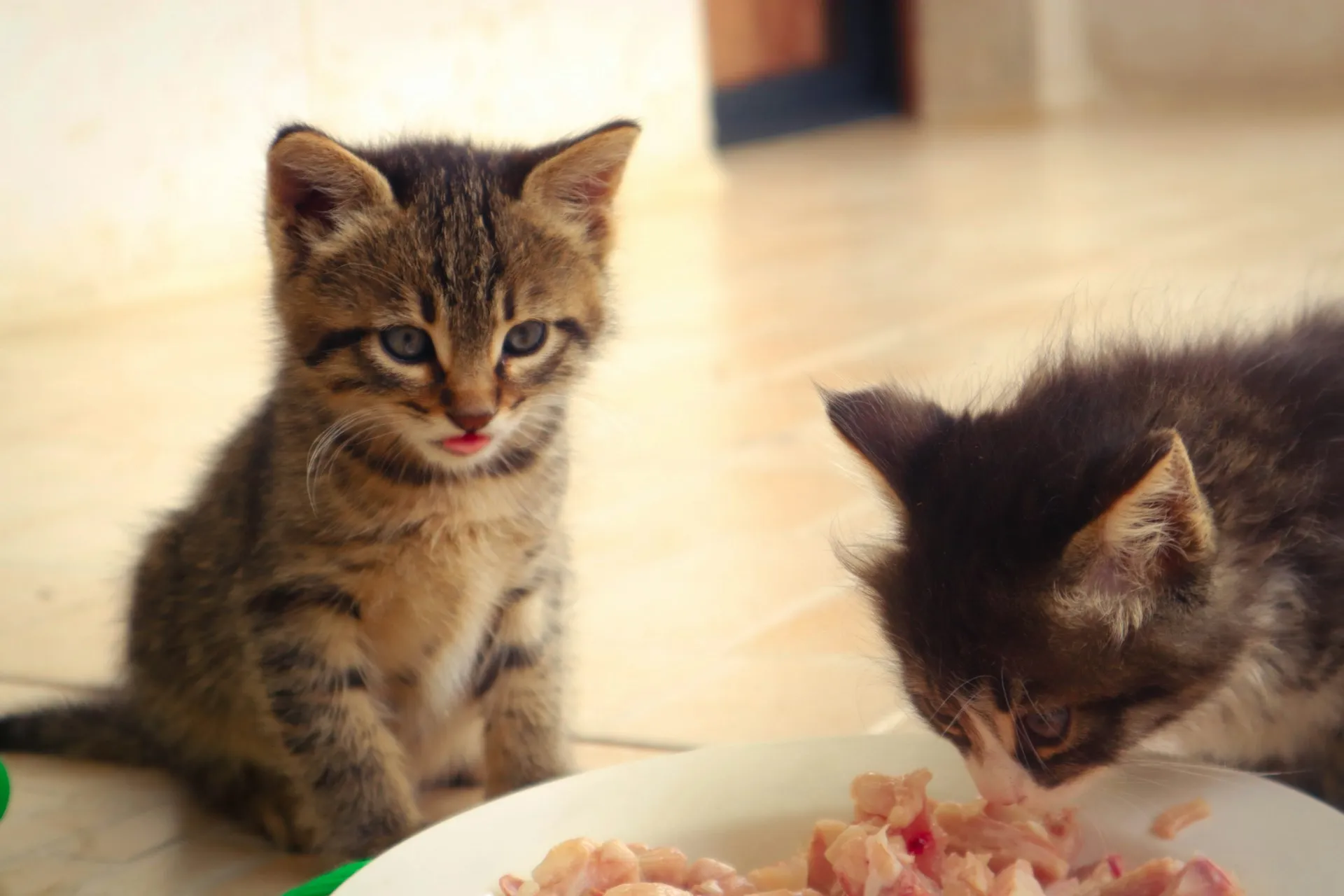
!Social Media Icons