

Cats may spend much of the day sleeping in adorable positions, but keeping your feline friend healthy involves more than food and naps. At All Cats Clinic, your Fayetteville, AR veterinary clinic, we remind cat owners that physical health and emotional wellness go hand in hand. Cats thrive with proper nutrition, mental stimulation, routine veterinary care, and chances to express natural behaviors.
Want to help your cat stay healthy at every age? The little things you do each day add up. From keeping your indoor cat entertained to preventing boredom and stress, knowing what makes your kitty tick leads to a happier, more playful life. Whether you have a wild kitten, a calm adult, or a wise old feline who rules the house from the top of the fridge, good habits make all the difference.
Why Wellness Matters for Cats
Cats are masters at hiding discomfort. Many health issues develop slowly, and small changes can be easy to miss if you don’t watch closely or bring your kitty in for regular checkups.
Cat wellness care focuses on:
- Preventive medicine
- Nutrition
- Dental health
- Weight management
- Mental enrichment
- Behavioral wellness
- Early disease detection
A healthy cat isn’t just one who isn’t sick. Comfort, happiness, easy movement, and low stress all help your feline friend enjoy life to the fullest.
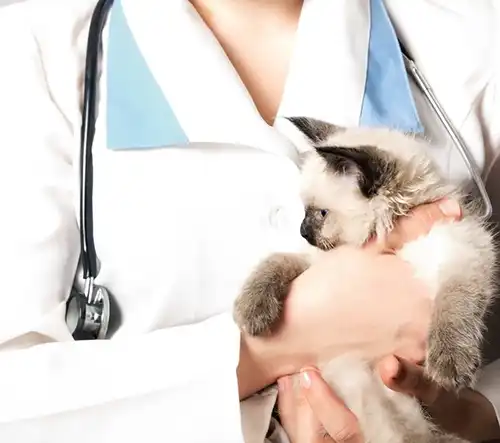
Schedule Regular Veterinary Visits
Bringing your cat in for regular checkups is one of the best things you can do for their health. Cats age faster than we realize, and changes can sneak up quietly if we don’t pay attention.
Why Wellness Exams Matter
Routine exams allow veterinarians to monitor:
- Weight changes
- Dental condition
- Mobility
- Skin and coat health
- Behavior changes
- Internal health concerns
Even if your kitty stays indoors, regular vet visits are a must. Many health issues have nothing to do with going outside.
Senior Cats Need Closer Monitoring
As cats age, they become more prone to conditions such as:
- Arthritis
- Kidney disease
- Hyperthyroidism
- Diabetes
- Dental disease
Regular wellness visits can help catch problems early, sometimes before you or your cat notice anything wrong.
At All Cats Clinic, we proudly provide preventive care for cats throughout Fayetteville and Northwest Arkansas.
Feed a Balanced Diet
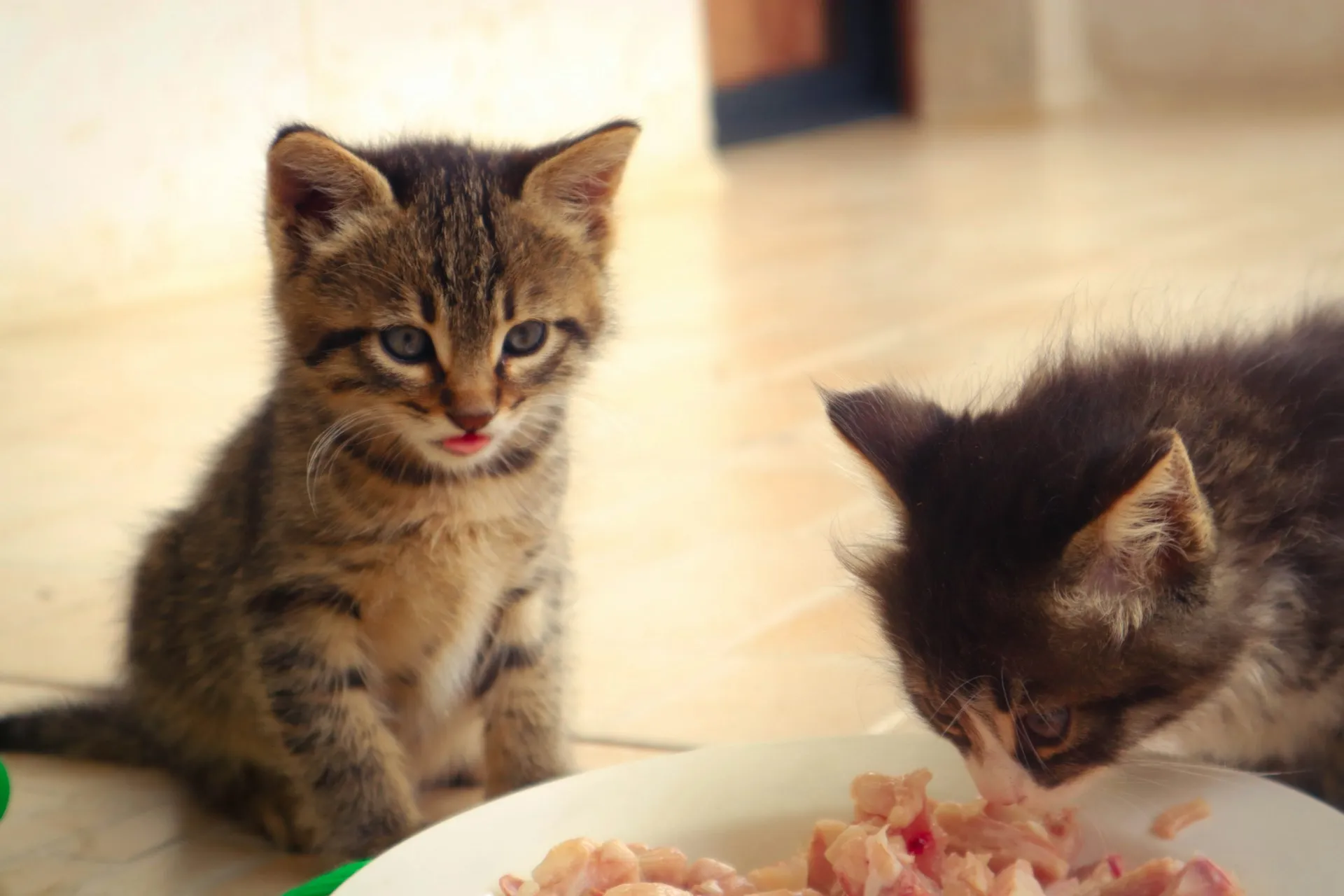
What your cat eats matters. Cats are obligate carnivores, meaning they need nutrients found in animal proteins to stay healthy.
Healthy Feeding Habits for Cats
One of the best ways to keep your cat healthy is to stick to a regular feeding schedule.
Helpful feeding practices include:
- Feeding measured portions
- Providing fresh water daily
- Avoiding excessive treats
- Monitoring appetite changes
- Using veterinarian-recommended diets
Cats are creatures of habit, and many start their dinner campaign about forty-five minutes before mealtime just in case you forgot.
Watch for Weight Changes
Maintaining a healthy body condition supports:
- Joint health
- Mobility
- Heart health
- Grooming ability
- Long-term wellness
Obesity in cats increases the risk of arthritis, diabetes, and reduced activity levels.
If you notice your cat gaining or losing weight unexpectedly, it’s time to call us.
Encourage Daily Exercise
Exercise isn’t just for dogs! Cats—especially those who live indoors—need chances to move, climb, and play to stay happy and healthy.
Interactive Play Matters
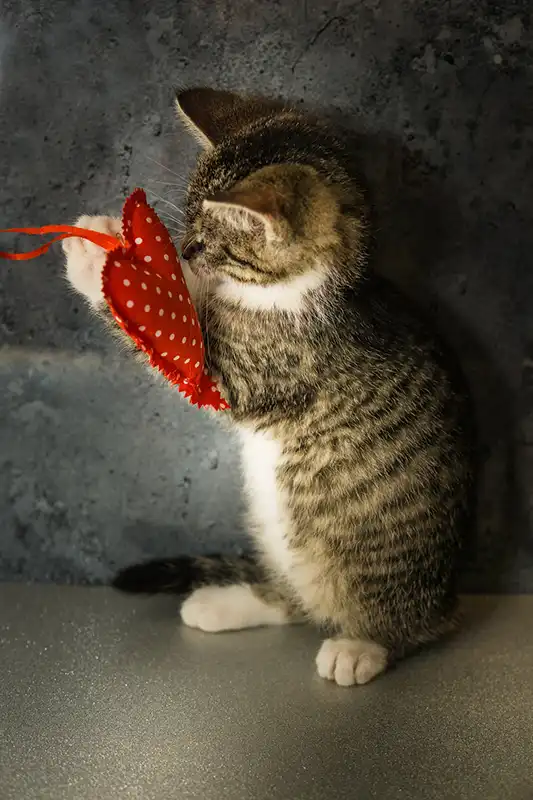
Many cats enjoy hunting-style play activities that mimic natural instincts.
Helpful play options include:
- Wand toys
- Puzzle feeders
- Toy mice
- Ball chasing
- Climbing trees
A few short play sessions each day keep your kitty’s mind sharp and body moving. Plus, it’s a great way to bond and maybe tire them out before bedtime.
Vertical Space Supports Activity
Cats naturally enjoy elevated resting areas where they can observe their environment safely.
Vertical enrichment may include:
- Cat trees
- Shelves
- Window perches
- Climbing towers
Your cat probably already thinks they own the highest perch in the house. Why not make it official?
Provide Mental Enrichment
Keeping your cat’s mind busy is as important as keeping their body healthy. Boredom can lead to stress, anxiety, overgrooming, and even too much redecorating with claws.
Helpful Feline Enrichment Ideas
Cats enjoy environments that encourage natural behaviors such as exploring, scratching, hiding, and hunting.
Popular feline enrichment ideas include:
- Puzzle toys
- Bird-watching stations
- Rotating toys
- Paper bags
- Cardboard boxes
- Cat-safe climbing areas
Simple games and activities can make a big difference in your cat’s mood and happiness.
Rotate Toys Regularly
Cats get bored with the same toys left out all the time. Try swapping them every few days; suddenly, that old mouse is exciting again!
This helps maintain curiosity and engagement.
Support Healthy Grooming Habits
Cats are naturally clean and spend much of the day grooming themselves. Healthy skin and coat often reflect overall wellness.
Brush Your Cat Regularly
Brushing helps:
- Remove loose fur
- Reduce hairballs
- Prevent matting
- Strengthen bonding
- Improve coat condition
If your cat has a long, luxurious coat, they need extra help with brushing than short-haired cats do.
Monitor Skin and Coat Changes
If your cat’s fur starts looking dull or patchy, it could be a sign something’s up with their health.
Watch for:
- Hair loss
- Greasy fur
- Excessive shedding
- Bald spots
- Skin irritation
Since cats hide when they’re unwell, small changes in their coat can be important clues. Contact your vet if you notice any of these.
Keep the Litterbox Clean
Litterbox cleanliness plays a major role in both your pet’s physical and emotional health.
Cats Prefer Clean Bathrooms
Healthy habits for cats include consistent litterbox maintenance. Kitties can be fussy about their bathrooms!
Most cats prefer clean litterboxes in quiet locations with easy access. Use unscented litter.
If the litterbox isn’t up to your cat’s standards, you might find some unwelcome surprises elsewhere in the house.
Monitor Bathroom Habits
Changes in litterbox behavior may indicate medical concerns such as:
- Urinary tract disease
- Kidney problems
- Digestive issues
- Arthritis
- Stress
At All Cats Clinic, our Fayetteville, AR veterinary clinic frequently evaluates changes in litterbox habits as early signs of illness.
Reduce Stress in Your Cat’s Environment
Cats are sensitive souls, and even small changes at home can throw them off. Stress can mess with their appetite, grooming habits, sleep, and even how they act.
Common Stress Triggers for Cats
Stress may result from:
- Loud noises
- Moving homes
- New pets
- Changes in routine
- Lack of hiding spaces
Some kitties are extra sensitive. Even a new piece of furniture can feel like a big deal to them.
Create Safe Spaces
Providing quiet resting areas helps your feline friend feel secure.
Helpful comfort areas may include:
- Covered beds
- Window perches
- Cat trees
- Quiet rooms
Keeping things predictable and sticking to routines can go a long way in helping your cat feel safe and relaxed.
Prioritize Dental Health
Dental problems are super common in cats and can make them feel pretty crummy—not to mention affect their overall health.
Signs of Dental Problems
Watch for:
- Bad breath
- Drooling
- Difficulty eating
- Pawing at the mouth
- Reduced appetite
Cats are tough cookies and will often keep eating even when their mouths hurt, so dental issues can go unnoticed for a long time.
Veterinary Dental Care Matters
Professional dental care supports:
- Comfort
- Appetite
- Overall health
- Better quality of life
Regular dental checkups are a big part of keeping your cat healthy and comfortable.
Indoor Cat Wellness Tips
Indoor cats usually live longer than their outdoor cousins, but they still need plenty of fun and exercise to stay happy.
Window Watching Counts as Enrichment
Many indoor cats enjoy observing:
- Birds
- Squirrels
- Rain
- Outdoor movement
A window perch can turn your living room into Cat TV—hours of entertainment for your furry friend.
Avoid Boredom
Boredom may contribute to:
- Overeating
- Anxiety
- Overgrooming
- Destructive behavior
The best way to keep indoor cats happy? Lots of toys, playtime, and things to explore—plus plenty of attention from you.
Pay Attention to Behavioral Changes
If your cat starts acting differently, it’s often one of the first hints that something might be off.
Signs Your Cat May Need Veterinary Attention
Contact your veterinarian if your cat experiences:
- Appetite changes
- Weight loss
- Hiding behavior
- Increased vocalization
- Aggression
- Vomiting
- Litterbox changes
Cats are pretty sneaky about hiding when they’re not feeling well, so early signs of illness can be easy to miss.
At All Cats Clinic, our Fayetteville, AR veterinarians encourage cat owners to trust their instincts if something feels “off” about their feline companion.
Build a Strong Bond With Your Cat
A strong bond with your cat isn’t just good for them—it’s good for you, too!
Respect Your Cat’s Boundaries
Cats love it when we respect their space and keep things predictable.
Helpful bonding activities include:
- Interactive play
- Gentle brushing
- Calm affection
- Treat-based training
- Quiet companionship
Getting to know what your cat likes (and doesn’t like) helps build trust and makes your bond even stronger.
Every Cat Has a Different Personality
Some cats are total attention-seekers, while others are happy just hanging out nearby without too much fuss.
No matter what kind of personality your cat has—even if they act like a tiny, whiskered dictator—they deserve our respect and understanding.
Learn more about bonding with a cat at the PetMD website. The Houston SPCA site also has a good piece on bonding with pets.
FAQs About Keeping Cats Happy and Healthy
How often should cats see the veterinarian?
Most adult cats benefit from yearly wellness exams, while senior cats and cats with medical conditions may need more frequent visits.
What are the best ways to keep indoor cats healthy?
Indoor cat wellness tips include regular play, opportunities to climb, puzzle toys, proper nutrition, and routine veterinary care.
How much exercise do cats need?
Most cats benefit from short daily play sessions that encourage movement and mental stimulation.
Why is enrichment important for cats?
Feline enrichment ideas help reduce boredom, stress, anxiety, and destructive behaviors while supporting emotional wellness.
What are the signs a cat may not be healthy?
Weight changes, appetite loss, vomiting, litterbox changes, hiding behavior, and reduced grooming can all signal possible health concerns.
Visit Our Fayetteville, AR Veterinary Clinic for Cat Wellness Care
Helping your cat stay healthy involves much more than food and annual checkups. From enrichment and nutrition to preventive medicine and emotional wellness, every part of your feline companion’s routine contributes to long-term happiness and comfort. At All Cats Clinic, we proudly provide compassionate, feline-focused veterinary care to cats throughout Fayetteville and Northwest Arkansas.
Are you searching online for a “vet near me” or a trusted Fayetteville, AR, veterinary clinic for your furry companion? Whether you need wellness exams, nutrition guidance, dental care, or help creating healthier routines for your kitty, our team is here to help. Contact All Cats Clinic today to schedule your cat’s next appointment.
This blog is intended for informational purposes only. Always consult with your veterinarian for medical advice, diagnosis, and treatment recommendations for your pet and follow their professional guidance.
To find out more about our animal clinic, stop by our Services page for an overview of our offerings. We work exclusively with kitties in the Fayetteville and Northwest Arkansas area. Our animal hospital offers Wellness and vaccinations, Kitten Kamp, and much more! We also offer the Purevax Vaccine. Contact us today!
!Social Media Icons