
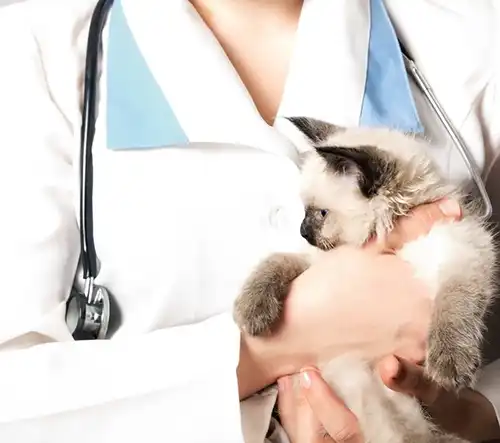
Cats have a reputation for being independent and confident. After all, who else can nap for 16 hours and still act like they run the place? But the truth is, our feline friends can be much more sensitive than they let on. Here at All Cats Clinic, we see plenty of kitties whose stress or anxiety gets mistaken for ‘quirky’ or stubborn behavior. Because cats are such masters at hiding their feelings, it’s easy for anxiety to fly under the radar until Fluffy’s behavior really starts to change.
Big or small, changes in your cat’s world, like a new routine, strange noises, or even a trip to the vet, can really throw them for a loop. Even medical issues or a little too much excitement at home can leave your kitty feeling frazzled. The good news? If you know what to look for, you can help your furry pal feel safe and secure before stress starts to affect their health or happiness. Let’s take a look at some common signs of feline anxiety, what might be causing it, and some tried-and-true tips for helping your cat feel more at ease at home.
What Causes Anxiety in Cats?
Cats are creatures of habit. Just ask anyone who’s ever tried to move their food bowl! Even little changes around the house can feel like a big deal to some kitties.
Common causes of anxiety in cats include:
- Moving to a new home
- Changes in household routine
- Loud noises
- New pets
- Visitors
- Construction or renovations
- Lack of enrichment
- Medical conditions
Some cats are just born with a little extra sensitivity. If your feline overlord insists on sticking to their strict daily schedule of napping, judging, and demanding snacks, you’re not alone!
We always remind our clients at All Cats Clinic that anxiety isn’t just ‘bad behavior.’ Stress is a real emotional and physical response for our feline friends, just like it is for us.
Recognizing Feline Anxiety Symptoms
Cats have their own unique ways of showing stress. Sometimes it’s obvious, but often it’s as subtle as a twitch of the tail or a little extra time spent under the bed.
Hiding More Frequently
One of the first things we notice with anxious cats is that they start hiding more. If your kitty is spending extra time under the bed, in the closet, or wedged behind the couch, stress might be the culprit.
A little hiding is perfectly normal. After all, cats do love a good game of hide-and-seek. But if your cat suddenly becomes a full-time recluse, it could be a sign of stress or even a health issue.
Changes in Appetite
Anxious cats may:
- Eat less
- Refuse food
- Eat excessively
- Become picky about meals
Keep a close eye on your cat’s appetite. If Fluffy stops eating for more than a day or two, it’s time to give us a call. Cats can get sick quickly if they go too long without food.
Overgrooming
Stress sometimes causes cats to groom excessively. Overgrooming may lead to:
- Hair thinning
- Bald spots
- Skin irritation
- Increased hairballs
Some cats get a little fixated and focus their grooming on certain spots, like their belly, legs, or sides, sometimes until the fur starts to thin.
Increased Vocalization
Anxiety can lead to unusual vocal behavior, including:
- Excessive meowing
- Yowling
- Crying at night
Your kitty might suddenly sound like they’re auditioning for a late-night soap opera, especially at three in the morning! While it can be a little funny (or a little loud), any sudden change in vocal habits is worth checking out.
Stressed Cat Behavior to Watch For
Behavioral changes are often among the earliest signs of anxiety.
Aggression or Irritability
A stressed cat might get a little cranky or defensive. Think swatting, hissing, or giving you the cold shoulder.
Signs may include:
- Swatting
- Hissing
- Biting
- Growling
- Avoiding touch
Pain and illness can also cause these behaviors, which is why veterinary evaluation is important.
Litterbox Problems
Stress commonly contributes to litterbox issues.
A stressed cat may:
- Urinate outside the litterbox
- Defecate outside the box
- Avoid the litterbox entirely
Cats are notorious for associating their feelings with their bathroom habits, so litterbox changes are among the most common ways stress shows up.
Increased Clinginess
Some anxious cats turn into little shadows, following their humans from room to room and sticking closer than ever.
Others respond oppositely by withdrawing completely. Others go the opposite route and become little hermits. Every cat has their own way of coping with stress. It is common for cats to interact with dogs, but separation anxiety in cats is more common than many owners realize.
Signs of Separation Anxiety
Cats experiencing separation anxiety may show:
- Excessive vocalization when left alone
- Destructive behavior
- Changes in appetite
- Increased clinginess
- Litterbox accidents
If your cat is especially attached to you, big changes or long absences can really throw them for a loop.
Routine Changes Can Trigger Anxiety
Heading back to work after lots of time at home? That kind of change can sometimes trigger separation anxiety in cats.
Your furry friend might have a tough time adjusting if they suddenly find themselves home alone a lot more than they’re used to.
Medical Conditions Can Mimic Anxiety
Of course, not every odd behavior is just nerves. Sometimes medical issues can look a lot like anxiety.
Conditions That May Affect Behavior
Medical issues linked to behavior changes may include:
- Hyperthyroidism
- Arthritis
- Dental pain
- Digestive discomfort
- Urinary tract disease
- Cognitive dysfunction
At All Cats Clinic, we always recommend a checkup if your cat’s behavior changes suddenly or seems out of the ordinary.
Why Veterinary Evaluation Matters
Pain and illness can really change how a cat acts. Since our feline friends are experts at hiding when they don’t feel well, what looks like anxiety might actually be a sign of something else going on.
Tips for Calming Anxious Cats
Helping anxious cats feel safe usually starts with making their world as calm and predictable as possible.
Maintain Consistent Routines
Cats love routine. Keeping things steady helps them feel secure.
Consistency with:
- Feeding schedules
- Playtime
- Sleeping areas
- Household activity
It can go a long way toward keeping stress at bay.
Create Safe Spaces
Every cat appreciates a cozy hideaway or two to relax and recharge.
Helpful safe spaces may include:
- Covered beds
- Cat trees
- Quiet rooms
- Elevated perches
- Hiding spots
Let your kitty have some alone time when they need it. Sometimes a little peace is the best medicine.
Use Gentle Interaction
Forcing interaction with an anxious cat often increases stress rather than reducing it.
Helpful approaches include:
- Speaking softly
- Sitting nearby calmly
- Allowing the cat to approach first
- Avoiding sudden movements
Patience really is key when helping anxious cats feel safe.
Environmental Enrichment Helps Reduce Anxiety
Keeping your cat’s mind busy is just as important as keeping them physically healthy.
Helpful Feline Enrichment Ideas
A little extra fun around the house can help keep boredom, frustration, and stress at bay.
Helpful options include:
- Puzzle feeders
- Window perches
- Interactive toys
- Scratching posts
- Climbing structures
Interactive playtime is a great way for your cat to burn off energy and tap into their inner hunter.
Vertical Space Matters
Cats love a good perch. Being up high helps them feel safe and in control of their territory.
Cat trees and shelves are perfect for giving anxious kitties a safe spot to watch the world go by.
How Multi-Cat Homes Affect Anxiety
Having other cats around can be a blessing or a challenge. It all depends on your cats’ personalities and how well everyone gets along.
Resource Competition Causes Stress
Cats may become anxious if they feel they must compete for:
- Food bowls
- Litterboxes
- Resting spots
- Attention
Making sure there are plenty of food bowls, litterboxes, and cozy spots around the house can help keep the peace.
Slow Introductions Are Important
If you’re bringing home a new pet, take introductions slow and steady. Rushing things can lead to feline drama and long-lasting stress.
We help lots of families at All Cats Clinic with smooth introductions and stress-busting tips for multi-cat homes.
Can Anxiety Affect Physical Health?
Absolutely! Ongoing stress can take a real toll on your cat’s physical health.
Stress May Contribute To:
- Digestive upset
- Reduced appetite
- Overgrooming
- Urinary problems
- Immune system changes
A happy cat is a healthy cat. emotional and physical wellness go paw in paw.
When Professional Help May Be Needed
Sometimes, even with all the right changes at home, anxious cats need a little extra help.
Behavioral Support
Behavior-focused veterinary guidance may help identify:
- Anxiety triggers
- Environmental stressors
- Behavioral patterns
- Medical concerns
Medication and Calming Support
Some cats benefit from:
- Pheromone products
- Behavioral modification
- Prescription anxiety medications
Always chat with your veterinarian before starting any new treatments or products for your cat.
Helping Cats During Stressful Events
Certain situations commonly increase cats’ stress levels.
Veterinary Visits
Lots of cats get nervous about car rides and trips to the vet, sometimes even before the carrier comes out!
A little carrier training, gentle handling, and bringing along a favorite blanket can all help make vet visits less stressful.
Holidays and Visitors
Big, noisy gatherings can be a bit much for some cats.
Set up a quiet retreat for your furry pal during parties or holidays so they have a safe place to escape the commotion.
Moving Homes
Moving ranks among the most stressful events for most cats.
Keeping familiar items around and letting your cat explore new spaces gradually can make the move much easier.
PetMD has articles on feline anxiety and stress.
FAQs About Anxiety in Cats
What are common signs of anxiety in cats?
Common feline anxiety symptoms include hiding, appetite changes, overgrooming, vocalization, aggression, and litterbox issues.
Can cats develop separation anxiety?
Yes. Separation anxiety in cats may cause vocalization, clinginess, litterbox accidents, and destructive behavior when owners are away.
How can you calm an anxious cat?
Helpful strategies for calming anxious cats include maintaining routines, creating safe spaces, using enrichment, and avoiding forced interaction.
Can stress make cats sick?
Yes. Chronic stress can affect digestion, grooming habits, urinary health, appetite, and overall wellness.
Should anxious cats see a veterinarian?
Yes. Medical conditions can sometimes mimic anxiety, so veterinary evaluation is important when behavior changes occur.
Visit Our Northwest Arkansas Veterinary Clinic for Cat Behavior Support
Recognizing and addressing anxiety in cats can improve both emotional well-being and physical health. Whether your feline friend struggles with stress, hiding behavior, litterbox changes, or separation anxiety in cats, our team at All Cats Clinic is here to help.
Are you searching online for a “vet near me” or a trusted Northwest Arkansas veterinary clinic for feline behavior support? Our experienced veterinarians proudly care for cats throughout Northwest Arkansas and Fayetteville, AR. Contact All Cats Clinic today to schedule an appointment and learn more about helping your furry companion feel calmer, healthier, and more secure.
This blog is intended for informational purposes only. Always consult with your veterinarian for the right diagnosis, treatment recommendations, and medical advice for your pet and follow their professional guidance.
To find out more about our animal clinic, stop by our Services page for an overview of our offerings. We work exclusively with kitties in the Fayetteville and Northwest Arkansas area. Our animal hospital offers Wellness and vaccinations, Kitten Kamp, and much more! We also offer the Purevax Vaccine. Contact us today!
!Social Media Icons