
Few things capture attention faster than a beautiful cat with striking markings or unusual fur colors. From dramatic tuxedo cats to fluffy orange tabby cats who somehow always look slightly mischievous, feline coats are part of what makes every cat unique. At All Cats Clinic, your Fayetteville, AR veterinary clinic, we meet cats with every imaginable combination of cat coat colors and cat coat patterns, and pet owners are often curious about what makes their furry friend look the way they do.
Now, while the internet loves to claim that your cat’s coat color determines whether they’re a snuggler or a sassy troublemaker, the truth is a bit more scientific (and a lot more interesting). Genetics are the real artists behind those fabulous feline looks! Some patterns are as common as cat hair on your couch, while others are rare gems. In this article, we’ll explore popular coat colors, patterns, some fun feline trivia, and share a few tips for keeping those long-haired beauties looking their best. No matter if your kitty is sleek, striped, spotted, or a glorious fluffball, understanding their coat can help you appreciate them even more.
How Cat Coat Colors Develop
So, what’s behind your cat’s fabulous fur? It all comes down to genetics! Special genes decide how pigment shows up in your kitty’s fur, skin, and even those mesmerizing eyes. While feline genetics can get pretty complicated, most coat colors start with just two basic pigments:
- Black
- Red/Orange
From there, a whole cast of other genes steps in to mix things up, giving us the amazing variety of cat coat colors we see today.
These genes can influence:
- Color intensity
- Fur patterns
- White markings
- Dilution
- Fur length
That’s why two kittens from the same litter can look like they’re from totally different families—genetics loves to keep us guessing!
Fun fact: Nearly all calico and tortoiseshell cats are female because the genes responsible for orange and black coloration are linked to the X chromosome.
Common Cat Coat Colors
Some cat coat colors are incredibly common, while others are considered relatively rare.
Black Cats
Black cats are the supermodels of the feline world, thanks to their sleek, dark coats (all that melanin!). Forget those old superstitions—black cats are affectionate, gorgeous, and can be incredibly photogenic… as long as your phone camera can keep up with them.
Many black cats may appear:
- Solid black
- Faded brownish-black in sunlight
- Slightly striped under bright lighting
Black cats might have a reputation for mystery and magic, but let’s be honest—your little shadow is probably more interested in stealing your chair than casting any spells.
White Cats
White cats are the snowflakes of the feline world—some are pure white from nose to tail, while others sport a little splash of color on their head or tail for extra flair.
White cats can sometimes have:
- Blue eyes
- Green eyes
- Odd-colored eyes
Fun fact: Some white cats with blue eyes may be hard of hearing, thanks to a quirky genetic twist.
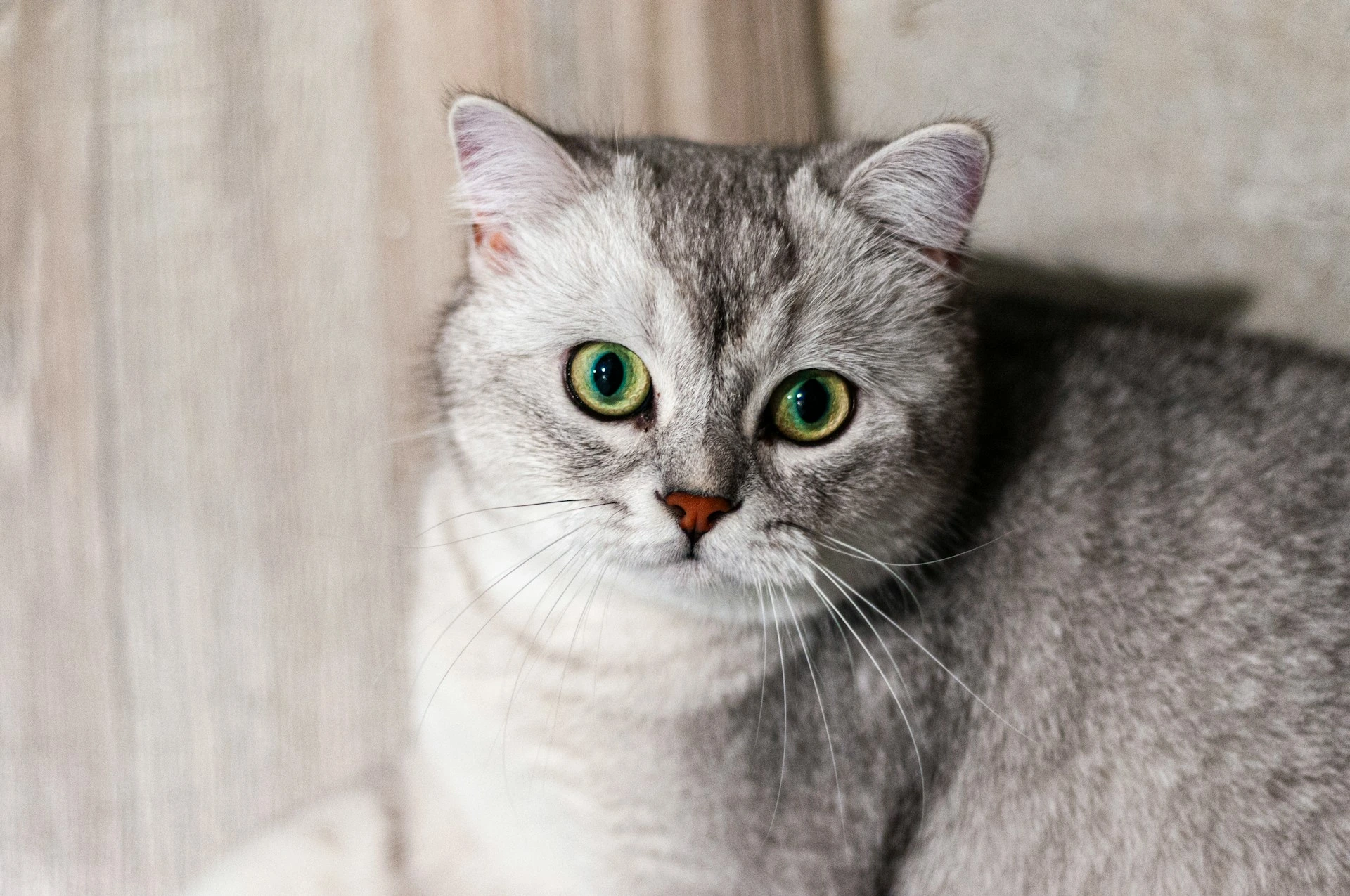
Gray or Blue Cats
Gray cats—often called “blue” in the cat fancy world—owe their cool coats to special dilution genes that turn black pigment into those dreamy gray shades.
Gray cats may appear:
- Silver
- Smoky charcoal
- Soft blue-gray
Breeds like the Russian Blue and the British Shorthair are famous for their stunning blue-gray coats.
Orange Cats
Orange tabbies are the celebrities of the cat world! Their coats can range from soft cream to bold, fiery orange.
Orange cats are commonly associated with:
- Bold personalities
- Playful behavior
- High energy
While science says coat color doesn’t decide personality, orange tabbies have certainly earned their reputation as the class clowns of the cat world.
Understanding Cat Coat Patterns
Of course, it’s not just about color—cats also come in a dizzying array of patterns, all thanks to how pigment gets sprinkled (or splashed!) across their bodies.
Tabby Patterns
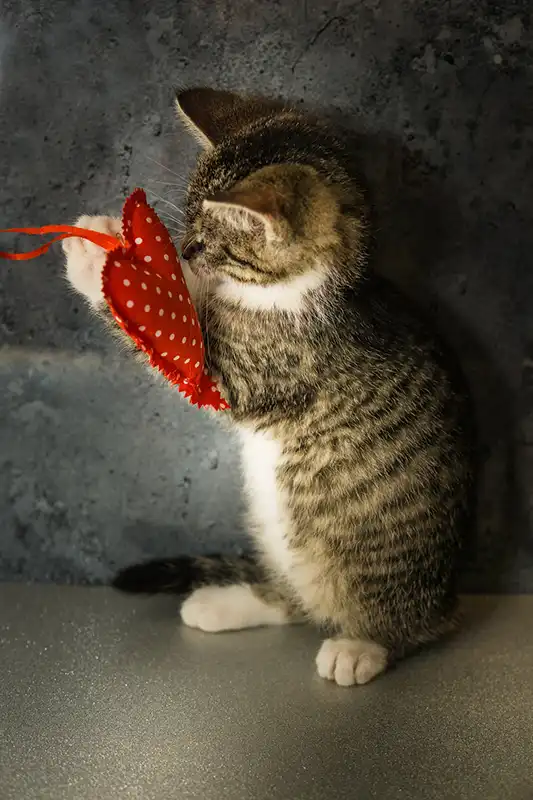
Tabby is the classic cat look—think stripes, swirls, or spots. Even if your kitty’s stripes are barely there, chances are they’ve got some tabby genes hiding in their family tree.
Types of tabby patterns include:
- Classic tabby
- Mackerel tabby
- Spotted tabby
- Ticked tabby
And don’t forget that famous “M” on the forehead. That’s nature’s way of giving tabbies their own little crown.
Tuxedo Cats
Tuxedo cats look like they’re always dressed for a fancy party, thanks to their black-and-white “formalwear.” They’re not a breed, just a snazzy color pattern.
Tuxedo cats may have:
- White paws
- White chests
- White whisker markings
- Black backs and tails
Some folks say tuxedo cats act extra sophisticated, but we’ll leave that debate to others. We do know that your tuxedo kitty is just as likely to zoom around the house at midnight as any other feline mischief-maker.
Calico Cats
Calico cats display patches of:
- Orange
- Black
- White
Each calico coat is unique. No two calico patterns are exactly alike.
Tortoiseshell Cats
Tortoiseshell cats, often called “torties,” combine orange and black coloring without large white patches.
These coats may appear:
- Speckled
- Marbled
- Swirled
Tortie parents often swear by their cat’s “tortitude”—that extra dash of sass and personality—even if science hasn’t quite caught up yet.
Long-Haired Cat Care Tips
Long-haired kitties are gorgeous, but those flowing locks need a little extra TLC. Without regular brushing, their beautiful coats can turn into a tangle-fest before you know it.
Why Grooming Matters
Long-haired cat care helps:
- Prevent painful mats
- Reduce shedding
- Limit hairballs
- Improve skin health
- Support bonding
Mats aren’t just unsightly; they can be downright uncomfortable for your cat and may trap moisture or debris against the skin.
Brushing Tips for Long-Haired Cats
Most long-haired cats appreciate a daily brushing session (even if they pretend otherwise).
Helpful grooming tips include:
- Using gentle brushes
- Starting with short sessions
- Brushing slowly
- Rewarding calm behavior
- Checking for tangles regularly
Some cats love a good brushing. Others act as if you’ve just committed a grave offense against their ancestors.
Hairballs and Long Fur
Long-haired cats tend to be hairball champions, simply because they swallow more fur while grooming those luxurious coats.
Preventing hairballs in long-haired cats may involve:
- Frequent brushing
- Proper hydration
- Balanced nutrition
- Routine veterinary care
Here at All Cats Clinic, we’re pros at helping pet parents tackle hairball woes—especially for our fluffiest feline friends.
Rare and Unusual Cat Coat Colors
Some cat coat colors are true showstoppers—rare, beautiful, and guaranteed to turn heads.
Colorpoint Cats
Colorpoint cats have lighter bodies with darker coloring on:
- The face
- Ears
- Tail
- Paws
Siamese cats are one of the most famous examples.
Silver and Smoke Coats
Silver cats have light-colored undercoats with darker tipping. Smoke coats appear solid until the fur parts, revealing lighter roots underneath.
These coats look especially stunning when your cat is on the move. Talk about feline fashion statements!
Chocolate and Cinnamon Coats
A lucky few cats sport rich chocolate or cinnamon coats, thanks to some rare genetic magic.
These colors are more commonly seen in certain purebred cats.
Does Coat Color Affect Personality?
Lots of folks believe coat color predicts personality, and while there are plenty of fun stories out there, science hasn’t quite confirmed those feline stereotypes.
Still, cat owners often describe:
- Orange tabby cats are outgoing
- Tuxedo cat is confident
- Torties as opinionated
- The black cat is affectionate
In reality, personality depends much more on:
- Socialization
- Genetics
- Environment
- Experiences
- Breed tendencies
At the end of the day, your cat’s personality is as unique as their paw print, no matter what color their coat is.
Coat Changes Over Time
Just like us, some cats go through a few style changes as they get older.
Seasonal Changes
You might notice your cat shedding more during spring and fall. Seasonal wardrobe changes are a thing in the feline world, too!
Coat thickness can also change depending on:
- Indoor temperature
- Sun exposure
- Hormones
Health-Related Coat Changes
Changes in coat quality can sometimes signal medical concerns.
Watch for:
- Hair loss
- Dull fur
- Excessive shedding
- Greasy fur
- Skin irritation
Cats are excellent groomers, so coat condition often reflects overall health.
At All Cats Clinic, our Fayetteville, AR veterinary clinic frequently evaluates coat changes during routine wellness exams.
Caring for Your Cat’s Skin and Coat
Healthy skin supports healthy fur. Good nutrition and regular grooming both play important roles in coat condition.
Nutrition and Coat Health
Balanced diets help support:
- Skin hydration
- Fur texture
- Reduced shedding
- Overall wellness
Cats require high-quality protein and essential nutrients for healthy skin and fur growth.
Stress and Overgrooming
Cats sometimes overgroom due to stress or anxiety, leading to thinning fur or bald patches.
Stress-related triggers may include:
- Household changes
- New pets
- Loud environments
- Boredom
Behavior changes and coat changes should always be discussed with your veterinarian.
Fun Facts About Cat Coats
Cat coat genetics are full of surprising details.
Interesting feline facts include:
- Most orange cats are male
- Nearly all calicos are female
- White cats may have hearing impairments
- Some cats change color with temperature
- Tabby markings can appear even on solid-colored cats
Cats truly come in an incredible variety of appearances, which is part of what makes them so fascinating.
Dane County Humane Society wrote about kitty coats. The Cat Fanciers Association also has a piece on feline coat colors.
FAQs About Cat Coat Colors and Patterns
What is the most common cat coat pattern?
The tabby pattern is the most common coat pattern in domestic cats. Tabbies may display stripes, spots, or swirls.
Are tuxedo cats a breed?
No. Tuxedo cats are not a breed. The term describes a black-and-white coat pattern found in many breeds and mixed-breed cats.
Why are orange tabby cats usually male?
The gene responsible for orange coloration is located on the X chromosome, making orange coloration more common in male cats.
Do long-haired cats require more grooming?
Yes. Long-haired cat care usually involves more frequent brushing to reduce mats, tangles, shedding, and hairballs.
Can coat changes indicate health problems?
Yes. Hair loss, dull coats, excessive shedding, or overgrooming may signal underlying medical or behavioral concerns.
Visit Our Fayetteville, AR Veterinary Clinic for Feline Care
Every cat is unique, whether they are fluffy, sleek, spotted, striped, or sporting dramatic tuxedo markings worthy of a red carpet appearance. At All Cats Clinic, we love helping cats throughout Fayetteville and Northwest Arkansas stay healthy from whiskers to tail.
Are you searching online for a “vet near me” or a trusted Fayetteville, AR, veterinary clinic for your feline companion? Our experienced veterinarians can help with skin and coat concerns, long-haired cat care, wellness exams, nutrition guidance, and much more. Contact All Cats Clinic today to schedule an appointment for your furry friend.
This blog is intended for informational purposes only. Always consult with your veterinarian for medical advice, diagnosis, and treatment recommendations for your pet and follow their professional guidance.
To find out more about our animal clinic, stop by our Services page for an overview of our offerings. We work exclusively with kitties in the Fayetteville and Northwest Arkansas area. Our animal hospital offers Wellness and vaccinations, Kitten Kamp, and much more! We also offer the Purevax Vaccine. Contact us today!
!Social Media Icons