
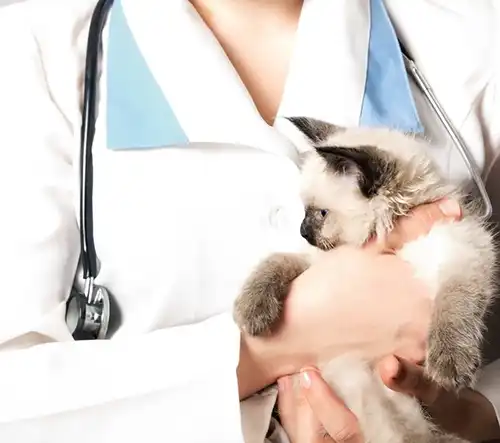

For many cat owners, taking your cat to the vet can feel like preparing for a tiny furry hostage negotiation. One minute, your kitty is peacefully napping in a sunbeam, and the next, they are somehow transforming into a screaming octopus the second the carrier appears. At All Cats Clinic, your Fayetteville, AR veterinary clinic, we understand that vet visits can feel stressful for both cats and humans. Don’t worry, though: stress-free cat vet visits are possible with the right preparation and a little patience.
Cats are creatures of habit, and they really do love their routines. So, it’s no wonder that a sudden car ride or a whiff of that mysterious ‘vet office’ smell can throw them for a loop! Still, regular checkups are one of the best ways to keep your feline friend healthy and happy for years to come. Whether it’s a wellness exam, vaccines, dental care, or just a senior kitty tune-up, those vet visits help us catch little problems before they become big ones. In this article, I’ll share some tried-and-true tips to make trips to the vet less stressful for both you and your whiskered pal.
Why Regular Veterinary Visits Matter for Cats
Cats are absolute pros at pretending everything is fine, even when it isn’t. Many health issues sneak up slowly, and our feline friends can be masters at hiding the signs until things get serious.
Routine veterinary visits help monitor:
- Weight changes
- Dental health
- Mobility
- Appetite
- Skin and coat condition
- Behavior changes
- Internal health concerns
At All Cats Clinic, our Fayetteville cat veterinarian team often explains that preventive care helps identify health issues earlier, sometimes before obvious symptoms even appear.
Cats Age Faster Than Many People Realize
A single year in your cat’s life is like several years for us humans. Skipping those regular checkups can let health problems quietly creep up on your kitty.
Routine exams become especially important for:
- Kittens
- Senior cats
- Cats with chronic conditions
- Indoor-only cats
- Cats with behavior changes
Even if your cat is strictly an indoor couch potato, regular vet visits are still a must. Lots of health issues can pop up that have nothing to do with the great outdoors.
Why Cats Dislike Vet Visits
If you’ve ever wondered why your cat seems to turn into a furry drama queen at the mere mention of the vet, you’re not alone! Understanding a bit about kitty behavior can help explain those strong reactions.
Cats Prefer Predictability
Cats rely heavily on routine and familiarity with their environment. A sudden trip outside the home introduces:
- Unfamiliar sounds
- New smells
- Motion
- Strange animals
- Different people
For some kitties, all those new sights and sounds are just plain scary.
The Carrier Often Becomes the “Scary Box”
Many cats only see their carrier when something stressful happens, such as veterinary visits or travel.
So, don’t be surprised if your feline overlord pulls a disappearing act the second that carrier comes out of the closet.
This is why cat carrier training can make such a huge difference for stress-free cat vet visits.
Cat Carrier Training Tips
One of the best tricks is to help your cat see the carrier as a cozy hideout, not a sign that something scary is about to happen.
Leave the Carrier Out Full-Time
Try leaving the carrier out where your cat can check it out anytime, instead of hiding it away until vet day.
You can make the carrier more inviting by adding:
- Soft blankets
- Treats
- Favorite toys
- Familiar scents
Cats are curious by nature, and many will start exploring the carrier at their own pace.
Reward Positive Interactions
A little positive reinforcement goes a long way toward helping your kitty see the carrier as a good thing.
Try rewarding your kitty when they:
- Approach the carrier
- Sit inside voluntarily
- Explore calmly
- Rest inside
Patience is key here. Some cats will hop right in, while others need a little more time (and maybe a few extra treats) to get comfortable.
Practice Short Car Rides
If your cat gets nervous about car rides, try taking them on a few short trips that don’t end at the vet. This helps them realize that not every car ride means a checkup is coming up.
Brief practice trips may help your feline friend become more accustomed to:
- Motion
- Car sounds
- Carrier confinement
Go slow and keep things as calm and positive as possible.
Preparing for the Veterinary Visit
A little prep work before the big day can make the whole experience much smoother for both you and your cat.
Keep Calm Yourself
Cats are little experts at picking up on our moods. If you’re anxious or in a hurry, your cat will probably notice—and might get stressed out, too.
Try to:
- Speak calmly
- Move slowly
- Avoid chasing your cat
- Prepare ahead of time
Your furry friend is always watching—and probably judging—so staying calm really does help.
Avoid Feeding Right Before Travel
Some cats get a little queasy in the car, so it’s best to feed a smaller meal before you head out. This can help keep tummies settled.
Always ask your veterinarian for guidance if your cat has medical conditions affecting feeding schedules.
Bring Familiar Comfort Items
Familiar scents can help reduce stress during veterinary visits.
Helpful comfort items may include:
- A favorite blanket
- A towel with your scent
- Familiar bedding
Familiar smells can be a big comfort for cats when everything else feels strange.
How to Safely Place Your Cat Into the Carrier
Let’s be honest—getting your cat into the carrier is usually the most dramatic part of the whole adventure.
Use Gentle Handling
Try not to force or grab your cat. That just makes things scarier for them and can make future trips even trickier.
Helpful techniques include:
- Using treats
- Allowing exploration
- Covering the carrier with soft bedding
- Remaining patient
Top-Loading Carriers Can Help
Many cats feel safer entering carriers from above instead of being pushed through a front opening.
Top-loading carriers can make things easier for both you and your cat during exams, since there’s less wrestling involved.
At All Cats Clinic, our Fayetteville, AR veterinary clinic often recommends sturdy carriers with removable tops for easier transport and examination.
Reducing Stress During the Car Ride
The car ride itself can be a little nerve-wracking for some kitties.
Keep the Carrier Stable
Make sure the carrier is securely fastened in the car so it doesn’t slide around or tip over.
Helpful options include:
- Seat belts
- Stable floor placement
- Non-slip surfaces
Too much jostling can make some cats anxious or even a little carsick.
Maintain a Calm Environment
During travel:
- Keep noise low
- Avoid loud music
- Drive smoothly
- Speak softly
Some cats feel safer if you drape a light, breathable towel over the carrier during the ride.
Temperature Matters
Cats can get too hot or too cold pretty quickly in the car.
Make sure the car remains:
- Well ventilated
- Comfortable in temperature
- Free from direct sunlight exposure
Helping Nervous Cats at the Vet
Some cats get extra nervous at the vet’s office, but don’t worry. There are plenty of ways to help make visits less overwhelming.
Fear-Free Handling Techniques
Many veterinary clinics now use feline-friendly handling methods designed to reduce stress.
These approaches may include:
- Gentle restraint
- Quiet exam rooms
- Soft bedding
- Minimal handling
- Slower exam pacing
At All Cats Clinic, we know that nervous kitties need a little extra patience and a gentle touch.
Pheromone Sprays and Calming Aids
Some cats do well with feline pheromone sprays, which can help them relax a bit more.
These products may help reduce:
- Anxiety
- Fear responses
- Carrier stress
Always consult your veterinarian before using calming supplements or medications.
Medication for Severe Anxiety
For really anxious cats, your vet might recommend a small dose of anti-anxiety medication before the visit.
Pre-visit medications can help:
- Reduce panic
- Improve safety
- Make exams a little less scary
Your veterinarian can discuss whether medication may be appropriate for your feline companion.
Signs Your Cat May Need Veterinary Care
It’s common to put off vet visits because you don’t want to stress your cat out, but waiting too long can let health problems get worse.
You should contact your veterinarian if your cat experiences:
- Vomiting
- Appetite loss
- Weight changes
- Litterbox changes
- Excessive grooming
- Hiding behavior
- Breathing changes
- Mobility problems
Remember, cats are great at hiding when they’re not feeling well, sometimes until things are pretty far along.
Making Veterinary Visits Positive Long-Term
Just because one vet visit was stressful doesn’t mean every trip will be a disaster.
Practice Gentle Handling at Home
Gently handling your cat’s paws, ears, and mouth at home can help them get used to being touched during exams.
Keep these practice sessions short and sweet for the best results.
Reward Recovery After Visits
After a vet visit, give your cat some quiet time to relax and recover.
Offer:
- Favorite treatswor
- Gentle snuggles
- Familiar routines
- Comfortable resting spots
Making recovery time positive can help your cat feel better about future visits.
Special Considerations for Kittens and Senior Cats
Kittens and senior cats sometimes need a little extra TLC during vet visits.
Kittens
Bringing kittens in for gentle, positive vet visits early on helps them grow into confident, happy cats.
Kittens often need:
- Multiple vaccine visits
- Weight monitoring
- Parasite screening
- Nutrition guidance
Senior Cats
Senior cats might need a little extra help during travel because of things like:
- Arthritis
- Vision changes
- Hearing loss
- Anxiety
A soft bed and a sturdy carrier can make the trip much more comfortable for your older kitty.
The American Veterinary Medical Association offers some tips to help vet appointments go smoothly. WebMD also covered vet appointments.
FAQs About Taking Your Cat to the Vet
How often should cats see the veterinarian?
Most healthy adult cats do well with a yearly checkup, but seniors and cats with health issues may need to come in more often.
How can you make vet visits less stressful for cats?
Carrier training, gentle handling, familiar bedding, and a little prep work can all help make vet visits much less stressful for your cat.
Why does my cat cry during car rides?
Many cats sing the song of their people during car rides because they’re anxious, not used to the movement, or just don’t like being in the carrier.
What should you bring to a veterinary appointment?
Bring your cat in a secure carrier, plus any medical records, medications, and a list of questions or concerns you might have.
Yes! Some nervous cats do better with a little help from vet-approved anti-anxiety medication before their appointment.
Yes. Some nervous cats at the vet may benefit from veterinarian-approved anti-anxiety medications before appointments.
Schedule an Appointment at Our Fayetteville, AR Veterinary Clinic
Taking your cat to the vet doesn’t have to feel like a battle every time. With a little patience, some prep, and a gentle approach, visits can be much calmer for both you and your feline friend. At All Cats Clinic, we’re proud to care for cats all over Fayetteville and Northwest Arkansas with lots of compassion and a focus on what makes kitties special.
Looking for a ‘vet near me’ or a trusted Fayetteville, AR clinic for your cat? Whether you need advice on stress-free vet visits, wellness care, carrier training, or senior kitty support, our team is here for you. Give All Cats Clinic a call to schedule your cat’s next appointment. We’d love to meet you both!
This blog is intended for informational purposes only. Always consult with your veterinarian for medical advice, diagnosis, and treatment recommendations for your pet and follow their professional guidance.
To find out more about our animal clinic, stop by our Services page for an overview of our offerings. We work exclusively with kitties in the Fayetteville and Northwest Arkansas area. Our animal hospital offers Wellness and vaccinations, Kitten Kamp, and much more! We also offer the Purevax Vaccine. Contact us today!
!Social Media Icons