
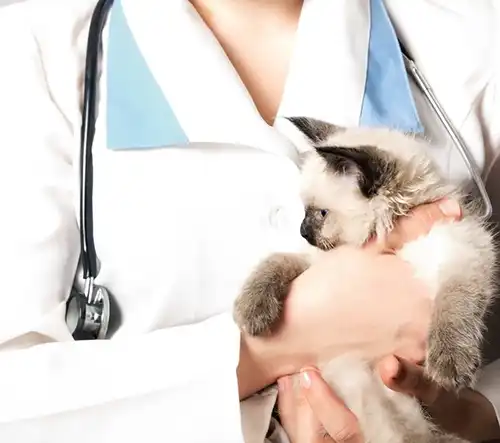
One minute, your kitty is zooming around the house at midnight, and the next, you notice she’s snoozing more, jumping less, and maybe even letting out a little sigh before hopping onto the couch. Aging sneaks up on our feline friends, so it’s easy to miss those early changes. Here at All Cats Clinic, we’re big believers that senior cat care is key to making sure your furry pal enjoys her golden years in comfort and good health.
Thanks to better vet care, improved diets, and the cushy life indoors, our cats are living longer than ever. That means there’s a lot more to senior cat care than just chalking things up to ‘old age.’ From achy joints and dental woes to kidney issues and quirky new habits, our older kitties need a little extra TLC and regular checkups. Read on for some tips on spotting common senior cat health concerns and how you can help your whiskered bestie enjoy every stage of her golden years.
When Is a Cat Considered a Senior?
Most veterinarians consider cats “senior” around 10 to 11 years of age, although some age-related changes may begin earlier. Cats between 11 and 14 years old are often considered senior pets, while cats older than 15 are frequently classified as geriatric.
Of course, every cat ages at her own pace. Some kitties are still chasing toys and climbing cat trees well into their teens, while others decide to take it easy a bit sooner.
Factors that influence aging include:
- Genetics
- Weight
- Diet
- Activity level
- Medical history
- Dental health
- Stress levels
At All Cats Clinic, our Fayetteville senior cat vet team often reminds cat owners that age itself is not a disease. Many older cats continue to thrive with proper support and monitoring.
Common Changes You May Notice in Senior Cats
As our feline pals get older, you’ll see changes in their bodies and behavior. Cats are masters at hiding when they’re not feeling their best, so even small changes can be important clues.
Sleeping More Often
Older cats do love their beauty sleep, and it’s normal for them to nap more than the youngsters. But if your kitty seems extra tired or starts hiding away, it could be a sign something’s up.
Healthy older cats still show interest in:
- Food
- Interaction
- Grooming
- Comfortable movement
- Familiar routines
If your feline friend suddenly becomes unusually inactive or disengaged, it may be time for a veterinary exam.
Reduced Jumping and Climbing
Many older cats get a bit stiff or achy, which can make jumping up to their favorite spots a real challenge.
You may notice your kitty:
- Hesitating before jumping
- Missing jumps
- Avoiding stairs
- Sleeping on lower surfaces
- Moving more slowly
Since cats are so good at pretending everything’s fine, even little changes in how they move are worth paying attention to.
Weight Changes
Older cats can go either way on the scale. some slim down, while others start packing on the pounds.
Weight loss may be associated with:
- Kidney disease
- Hyperthyroidism
- Dental disease
- Digestive disorders
Weight gain may result from:
- Reduced activity
- Arthritis
- Overfeeding
Keeping an eye on your kitty’s weight is one of the best ways to catch health issues early.
Why Older Cat Wellness Exams Matter
Regular vet visits are extra important as your cat gets older. Senior wellness exams can catch health problems before they turn into bigger issues.
Here at All Cats Clinic, we usually recommend bringing your senior cat in for checkups a bit more often, since things can change quickly as our furry friends age.
What Happens During Senior Wellness Exams?
Older cat wellness exams may include:
- Full physical examinations
- Weight monitoring
- Dental evaluations
- Bloodwork
- Urinalysis
- Blood pressure checks
- Mobility assessments
These evaluations help detect common senior conditions early, including:
- Kidney disease
- Hyperthyroidism
- Arthritis
- Diabetes
- High blood pressure
- Dental disease
The sooner we spot a problem, the more we can do to help your kitty stay comfy and happy for the long haul.
Cats Hide Illness Extremely Well
One big reason these checkups matter: cats are experts at hiding when they’re not feeling well.
Your feline overlord might act like everything’s fine, even if she’s feeling under the weather. Sometimes, those tiny changes at home are the only hints we get.
Arthritis in Senior Cats
A lot of folks think arthritis is just a dog problem, but our senior kitties can get creaky joints too—sometimes even more often than dogs!
Signs of Arthritis
Senior cats with arthritis may:
- Jump less often
- Avoid stairs
- Hide more
- Sleep excessively
- Groom less thoroughly
- Become irritable when touched
Some cats decide that climbing into a tall litterbox just isn’t worth the effort anymore if their joints are sore.
Helping Cats With Mobility Issues
Helping an arthritic kitty often just means making a few simple changes around the house.
Helpful changes include:
- Soft bedding
- Low-sided litterboxes
- Pet stairs or ramps
- Easily accessible food and water
- Warm resting areas
A little extra TLC at home can make a world of difference for your senior cat’s comfort.
Fun fact: Cats can develop arthritis in multiple joints simultaneously, including the spine, hips, elbows, and knees.
Nutrition for Senior Cats
As cats get older, their nutritional needs can change significantly. Senior kitties often do best on diets that help keep their muscles strong, tummies happy, and weight in check.
Why Appetite Changes Matter
If your older cat suddenly isn’t interested in her food, it’s time for a vet visit—don’t wait and see.
Appetite loss can be linked to:
- Dental pain
- Kidney disease
- Nausea
- Arthritis
- Stress
- Digestive problems
Even mild appetite changes can become important in older cats.
Hydration Is Extremely Important
Many senior cats are more vulnerable to dehydration, especially those with kidney disease.
Ways to encourage hydration include:
- Offering canned food
- Providing water fountains
- Using multiple water bowls
- Keeping water fresh daily
Many cats are picky about their water and prefer it fresh and moving—after all, running water just seems cleaner to them.
Dental Care for Senior Cats
Dental problems are super common in older cats and can really affect their comfort and appetite.
Signs of Dental Problems
Watch for signs such as:
- Bad breath
- Drooling
- Difficulty chewing
- Pawing at the mouth
- Reduced appetite
- Weight loss
A lot of cats will keep eating even if their mouths hurt, but that doesn’t mean they aren’t struggling.
Professional Dental Care
Routine veterinary dental care can dramatically improve the quality of life for senior cats. Healthy mouths support:
- Better nutrition
- Reduced pain
- Improved grooming
- Increased comfort
We’ve seen many senior cats perk right up after a good dental cleaning or treatment—it can make a huge difference!
Behavioral Changes in Older Cats
Not every change in your senior cat’s behavior is just ‘old age.’ Sometimes, these shifts are signs of medical or cognitive problems.
Increased Vocalization
Some older cats become more vocal due to:
- Cognitive dysfunction
- Vision changes
- Hearing loss
- Anxiety
- Hyperthyroidism
If your kitty suddenly starts chatting up a storm, it’s a good idea to have her checked out by your vet.
Changes in Litterbox Habits
Senior cats may struggle with litterbox use because of:
- Arthritis
- Kidney disease
- Cognitive decline
- Stress
- Urinary tract disease
If your senior cat starts having accidents outside the litterbox, don’t just chalk it up to old age. There’s usually a reason worth investigating.
Senior Cats and Cognitive Changes
Like people, some cats experience cognitive decline as they age.
Signs of Cognitive Dysfunction
Symptoms may include:
- Disorientation
- Nighttime vocalization
- Confusion
- Sleep changes
- Increased anxiety
- Reduced interaction
Not every behavior change is due to cognitive decline, so it’s always smart to check in with your vet if you notice something new.
Supporting Cognitive Health
Helpful aging cat health tips for cognitive support include:
- Maintaining routines
- Providing enrichment
- Keeping furniture placement consistent
- Encouraging gentle play
- Offering quiet resting areas
Keeping things predictable can really help your senior cat feel safe and relaxed.
The Emotional Side of Caring for Senior Cats
One of the best things about caring for senior cats is seeing just how close they become with their families over the years.
Senior cats often seek:
- Quiet companionship
- Warm sleeping areas
- Gentle affection
- Familiar routines
Your furry pal might not be zooming around like a kitten anymore, but those slow blinks, gentle head bumps, and snuggly naps still speak volumes.
Many cat parents find that their senior kitties are calmer, sweeter, and even more attached than ever.
Creating a Comfortable Home for Older Cats
A few simple tweaks around the house can make life a lot easier for your aging kitty.
Helpful senior-friendly changes include:
- Heated beds
- Easy-access litterboxes
- Elevated food bowls
- Non-slip rugs
- Night lighting
- Quiet sleeping areas
Little changes like these can keep your senior cat comfy and mobile, all without turning her world upside down.
University of California, Davis campus has a piece on boarding your cat. Cuteness also has a blog on cat boarding.
FAQs About Senior Cat Care
At what age is a cat considered a senior?
Most cats are considered seniors around 10 to 11 years old, although some age-related changes may appear earlier.
How often should senior cats see the veterinarian?
Senior cats often benefit from veterinary exams every six months because health conditions can develop more rapidly with age.
What are common health problems in older cats?
Common senior cat conditions include arthritis, kidney disease, hyperthyroidism, diabetes, dental disease, and high blood pressure.
Why is my older cat losing weight?
Weight loss in senior cats may be linked to medical issues such as dental disease, kidney disease, digestive disorders, or thyroid problems.
How can you help an aging cat stay comfortable?
Soft bedding, low-sided litterboxes, hydration support, regular veterinary care, and environmental adjustments can all help improve comfort for senior cats.
Visit Our Fayetteville, AR Veterinary Clinic for Senior Cat Care
Senior cats deserve thoughtful, compassionate care as their needs change with age. From arthritis support and nutrition guidance to older cat wellness exams and preventive care, our team at All Cats Clinic is here to help your feline companion stay as healthy and comfortable as possible.
Are you searching online for a “vet near me” or a trusted veterinary clinic in Fayetteville, AR, for your aging cat? Our experienced veterinarians proudly care for senior cats throughout Fayetteville and Northwest Arkansas. Contact All Cats Clinic today to schedule an appointment and learn more about caring for senior cats at every stage of life.
This blog is intended for informational purposes only. Always consult with your veterinarian for the right diagnosis, treatment recommendations, and medical advice for your pet and follow their professional guidance.
To find out more about our animal clinic, stop by our Services page for an overview of our offerings. We work exclusively with kitties in the Fayetteville and Northwest Arkansas area. Our animal hospital offers Wellness and vaccinations, Kitten Kamp, and much more! We also offer the Purevax Vaccine. Contact us today!
!Social Media Icons