
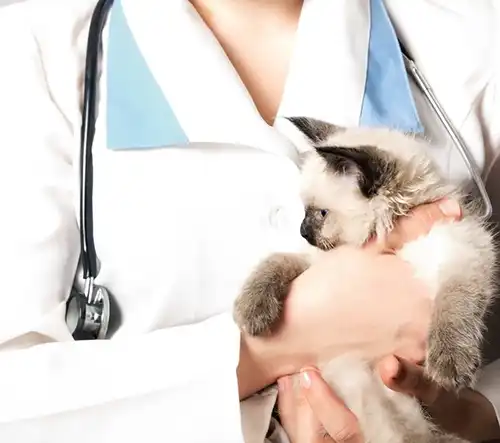


Are you considering adopting a kitten? Welcoming a new kitten into your home is always an adventure, full of adorable moments and important decisions. One of the biggest milestones on your to-do list? Planning for your cat’s spay or neuter surgery. Here at All Cats Clinic in Fayetteville, we get lots of questions from cat parents about what to expect, how to get ready, and what recovery looks like. Whether you’ve just brought home a bouncy kitten or a wise older rescue, knowing the basics of feline surgery can help you feel prepared—and maybe even a little less nervous—about the whole process.
Spaying and neutering are some of the most common—and most important—procedures we do for our feline friends. Not only do they help prevent surprise litters of kittens, but they also offer some great health and behavior benefits for your cat. In this guide, we walk you through when to schedule surgery, what to expect before and after, and share some handy recovery tips to help your kitty bounce back in no time.
What Is Cat Spay and Neuter Surgery?
Spaying and neutering are surgeries that prevent your cat from having unexpected litters.
What Is Spay Surgery?
Spay surgery is for our female feline friends. It involves removing the ovaries and uterus while your kitty is comfortably snoozing under anesthesia.
This procedure prevents:
- Pregnancy
- Heat cycles
- Certain reproductive diseases
Spaying also puts an end to those loud meows and restless pacing that many female cats show when they’re in heat. Your kitty might just thank you for freeing her from the drama of hormone-driven schedules.
What Is Neuter Surgery?
Neuter surgery is for male cats and means removing the testicles. The procedure is quick and simple, but has big benefits for you and your pet.
Neutering helps reduce:
- Roaming behavior
- Spraying
- Aggression related to hormones
- Reproductive capability
Most male cats are back to their usual antics before you know it after a neuter. Sometimes they act like nothing even happened!
At All Cats Clinic, our Fayetteville, AR veterinarians perform cat spay and neuter surgery using modern surgical protocols and individualized feline surgical care.
Why Spaying and Neutering Matter
Spaying and neutering aren’t just about preventing kittens (though that’s a big plus). These surgeries also help your cat stay healthier and happier for years to come.
Health Benefits for Female Cats
Spaying female cats can help reduce the risk of:
- Uterine infections
- Mammary tumors
- Reproductive cancers
- Pregnancy complications
Going through heat cycles isn’t just noisy. It can actually be pretty stressful for your cat, both physically and emotionally.
Health Benefits for Male Cats
Neutering male cats may help reduce:
- Roaming tendencies
- Fighting injuries
- Certain hormone-driven behaviors
Unneutered male cats are much more likely to go on adventures outside in search of love, which can lead to injuries or the acquisition of unwanted illnesses.
Helping Reduce Overpopulation
Every year, animal shelters are overflowing with cats looking for homes. Spaying and neutering your pet helps reduce the number of homeless kitties and supports the well-being of cats everywhere.
When to Spay a Cat
One of the questions I hear most often is, “When should I spay my cat?”
Most veterinarians recommend spaying kittens before their first heat cycle. Timing may vary depending on:
- Breed
- Weight
- Overall health
- Lifestyle
At All Cats Clinic, our Fayetteville, AR veterinary clinic discusses surgical timing on a case-by-case basis for each feline patient.
Why Timing Matters
Female cats can start looking for boyfriends much earlier than you might think. Some kittens go into heat before you even realize it’s possible!
Signs of heat may include:
- Loud vocalization
- Restlessness
- Increased affection
- Rolling behavior
- Attempts to escape outdoors
Getting your cat spayed before she goes through multiple heat cycles can also lower her risk for some health problems down the road.
When to Neuter a Cat
Cat parents also often ask, “When should I neuter my boy?”
We usually recommend neutering male kittens before they hit puberty. Catching them early can help prevent those pesky hormone-driven habits from ever starting.
Hormone-Related Behaviors in Male Cats
Intact male cats may display:
- Urine spraying
- Roaming
- Aggression
- Territorial behavior
Neutering can really help with these behaviors, though if your cat has already made a habit of them, it might take a little extra patience to see changes.
At All Cats Clinic, we help cat owners determine the best timing for neuter procedures based on individual needs and health factors.
Preparing Your Cat for Surgery
A little planning ahead can make surgery day much smoother for both you and your whiskered sidekick.
Follow Feeding Instructions Carefully
Your veterinary team will provide instructions regarding food and water before surgery. These guidelines are extremely important because anesthesia safety depends on proper fasting protocols.
Resist the urge to give in to those big, dramatic ‘I’m starving!’ eyes at midnight. Cats are world-class actors when it comes to snack time.
Bring Your Cat in a Secure Carrier
A sturdy carrier keeps your cat safe and helps make the trip to the clinic a little less stressful for everyone involved.
Helpful carrier tips include:
- Using soft bedding
- Covering the carrier lightly with a towel
- Keeping the environment calm
- Allowing carrier familiarity at home beforehand
Ask Questions Before Surgery
It is completely normal to feel nervous before your cat’s procedure. Your veterinary team can discuss:
- Surgical expectations
- Recovery instructions
- Pain management
- Feeding guidelines
- Activity restrictions
At All Cats Clinic, our goal is to make sure you feel confident and comfortable every step of the way when it comes to your cat’s surgery.
What Happens During Surgery?
During cat spay and neuter surgery, your cat receives anesthesia so they remain asleep and pain-free throughout the procedure.
Safety Monitoring During Surgery
Modern veterinary surgery includes careful monitoring of:
- Heart rate
- Oxygen levels
- Breathing
- Temperature
- Blood pressure
Veterinary teams closely supervise patients before, during, and after anesthesia.
Pain Management Is Important
Managing pain is a big part of good surgical care. We give your cat medications to keep them comfortable both during and after their procedure.
Since cats are experts at hiding when they’re hurting, staying ahead of pain helps them heal faster and feel better sooner.
What to Expect After Surgery
Most cats bounce back quickly after spay or neuter surgery, but it’s still important to keep an eye on them and limit their wild acrobatics for a bit.
Recovery From Neuter Surgery
Male cats usually recover from neuter surgery in record time. Sometimes they’re back to their usual antics before you even have a chance to worry.
Even if your furry buddy is suddenly full of beans, it’s important to stick to the activity restrictions until your vet gives the all-clear.
Recovery From Spay Surgery
Since spay surgery is a bit more involved (it’s an abdominal procedure), your female cat might need a little extra time and TLC to recover.
Your veterinarian may recommend:
- Limiting jumping
- Restricting rough play
- Monitoring the incision
- Using an e-collar if needed
Helpful Cat Surgery Recovery Tips
Sticking to your vet’s post-surgery instructions is the best way to help your cat heal quickly and comfortably.
Create a Calm Recovery Space
After surgery, set up a cozy, quiet spot for your cat to rest, away from noisy activity or curious housemates.
Helpful recovery setups include:
- Soft bedding
- Easy access to food and water
- Low-sided litterboxes
- Dim lighting
- Reduced noise
Monitor the Incision Daily
Take a peek at your cat’s incision every day to catch any problems early.
Contact your veterinarian if you notice:
- Swelling
- Redness
- Bleeding
- Discharge
- Missing stitches
Mild bruising or slight swelling may occur initially, but worsening changes should always be evaluated.
Prevent Excessive Licking
Cats love to groom, especially when something feels weird, but excessive licking can slow healing.
Your veterinarian may recommend:
- Recovery suits
- E-collars
- Monitoring grooming behavior
Most cats aren’t fans of the e-collar and act like it’s the end of the world, but it really does help them heal safely.
Common Questions About Behavior After Surgery
Some owners notice temporary behavior changes after surgery.
Sleepiness After Surgery
It’s normal for your cat to be a little sleepy or less active than usual after anesthesia.
Your cat may:
- Sleep more
- Eat less initially
- Seems quieter than normal
These effects usually fade as your cat gets back to their old self over the next day or two.
Appetite Changes
Some cats may not be super hungry right after surgery, and that’s usually okay.
Contact your veterinarian if your cat:
- Refuses food for an extended period
- Vomits repeatedly
- Appears extremely lethargic
Myths About Spaying and Neutering Cats
There are many outdated myths surrounding cat spay and neuter surgery.
“My Cat Needs One Litter First”
There is no medical benefit to allowing a cat to have a litter before being spayed.
“Neutered Cats Become Lazy”
Cats gain weight when they eat more calories than they burn, not because of the surgery. Keeping your kitty active and feeding the right amount will help them stay in tip-top shape.
“Indoor Cats Do Not Need Surgery”
Even indoor cats can get creative about sneaking outside when hormones kick in. Spaying and neutering are still a good idea, even if your cat is strictly an indoor dweller.
Read more about the benefits of getting Fluffy fixed at the ASPCA website. The American Veterinary Medical Association website also has helpful information on spaying and neutering.
FAQs About Cat Spay and Neuter Surgery
When should kittens be spayed or neutered?
Most vets recommend spaying or neutering before your kitten hits puberty, but the exact timing depends on your cat’s health and situation.
How long does recovery take after cat surgery?
Most cats are back to their usual selves within a few days to two weeks, depending on the surgery and how quickly they heal.
Are cats in pain after spay or neuter surgery?
We use pain medications to keep your cat comfortable while they recover.
Can cats eat after surgery?
Your vet will let you know what and when to feed your cat after surgery. Some kitties eat a little less at first, but their appetite usually returns soon.
Why do cats need activity restriction after surgery?
Keeping your cat from jumping and wrestling helps their incision heal and keeps recovery on track.
Schedule Cat Surgical Care at Our Fayetteville, AR Veterinary Clinic
Spaying and neutering are key to keeping your cat healthy and happy for the long haul. If you have questions about timing, recovery, or anything else, our team at All Cats Clinic is always here to help you and your feline friend every step of the way.
Are you searching online for a “vet near me” or a trusted Fayetteville, AR, veterinary clinic for feline surgical care? Our experienced veterinarians proudly care for cats throughout Fayetteville and Northwest Arkansas. Contact All Cats Clinic today to schedule an appointment or discuss cat spay and neuter surgery for your furry companion.
This blog is intended for informational purposes only. Always consult with your veterinarian for the right diagnosis, treatment recommendations, and medical advice for your pet, and follow their professional guidance.
To find out more about our animal clinic, stop by our Services page for an overview of our offerings. We work exclusively with kitties in the Fayetteville and Northwest Arkansas area. Our animal hospital offers Wellness and vaccinations, Kitten Kamp, and much more! We also offer the Purevax Vaccine. Contact us today!


!Social Media Icons